Vučić Concedes Defeat in Referendum-Like Vote, Elation Erupts Across Serbia
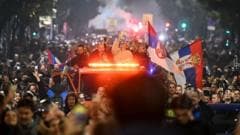
- •Vučić's 12-year reign faces its most serious challenge yet after conceding a vote framed as a national referendum.
- •Student-led protests reshaped Serbia's political landscape, proving the power of sustained civic mobilization against entrenched authority.
- •The concession triggers immediate elation abroad but raises questions about institutional transition and Serbia's EU alignment.
Serbian President Aleksandar Vučić conceded defeat on Sunday after a student-led protest movement framed the vote as a decisive referendum on the nation's future, unleashing waves of elation across the Balkans. The populist right-wing leader, who has governed for 12 years, acknowledged that it was 'clear' his party had lost the ballot, marking a stunning reversal in a country long defined by his ironclad grip on power.
The vote, widely interpreted as a proxy referendum on Vučić's autocratic tenure, capped months of sustained demonstrations led by university students and civil society groups demanding democratic reforms, press freedom, and an end to corruption. Since taking office in 2012, Vučić has consolidated control over media, judiciary and opposition channels, making this concession the most significant political setback of his mandate and a testament to the growing potency of grassroots mobilization in the region.
BBC News reported that Vučić's concession was met with spontaneous street celebrations, while opposition leaders hailed the result as a 'victory for the people' and a long-overdue check on executive overreach. European diplomats and rights organizations echoed the sentiment, noting that the outcome could signal a recalibration of Serbia's foreign policy trajectory, particularly regarding EU integration and regional stability.
Analysts warn that while the concession opens a fragile window for political transition, Vučić's Serbian Progressive Party retains deep institutional roots and may attempt to temper the shift through behind-the-scenes maneuvering. The coming weeks are expected to determine whether the momentum translates into concrete electoral reforms, early elections, or a protracted power struggle, with the international community closely monitoring the peace and stability of the Balkan corridor.