Stonehaven Train Tragedy Avoidable With Proper Drainage, Sheriff Rules
A fatal rail derailment in Aberdeenshire that claimed three lives in 2020 could have been prevented if infrastructure drainage had been constructed properly. According to judicial findings, severe weather exposed critical engineering flaws that ultimately led to the catastrophic accident.

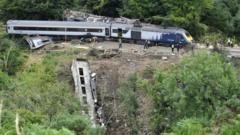
- A fatal 2020 train derailment near Stonehaven was determined to be preventable through proper drainage construction.
- Three individuals lost their lives when the passenger service struck debris following torrential rainfall in Aberdeenshire.
- Official inquiries highlight systemic vulnerabilities in rail infrastructure resilience against extreme weather events.
A judicial inquiry into the tragic 2020 railway disaster near Stonehaven in Aberdeenshire has concluded that the fatal derailment was entirely preventable had the local drainage system been engineered correctly. The catastrophic incident, which unfolded amid severe downpours, resulted in the deaths of three men when their passenger train struck washed-out debris on the tracks.
The disaster laid bare the severe vulnerabilities facing rail networks as changing climate patterns bring increasingly intense rainfall. Historically, the route had been scrutinized for its resilience against adverse weather, but the inquiry emphasizes that structural flaws in the track's water management assets directly contributed to the sudden ground failure.
According to reports by BBC News, judicial authorities underscored that adherence to rigorous civil engineering standards during the initial construction phase would have mitigated the risks posed by the storm. Transport officials and safety regulators are now facing heightened scrutiny regarding how infrastructure maintenance and historical engineering decisions are evaluated across the national network.