Dozens of Housing Targets Border Ancient Woods, Campaigners Warn of Irreversible Damage
Campaigners have raised alarms over dozens of planned housing developments bordering ancient woodlands across the UK, arguing that government targets are circumventing long-standing environmental protections. The warning, originally reported by BBC News, has sparked calls for urgent policy review and legal action to preserve irreplaceable woodland ecosystems.

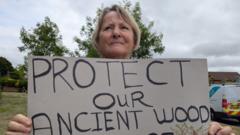
- Dozens of planned housing sites border ancient woodlands, threatening irreplaceable ecosystems.
- Current planning loopholes allow development on wooded peripheries, fragmenting habitats and undermining protections.
- Legal challenges and policy revisions are expected as the conflict between housing targets and conservation intensifies.
Campaigners have warned that dozens of planned housing developments across the UK are poised to border ancient woodlands, raising alarms among environmental groups and local communities. The findings, reported by BBC News, highlight a growing clash between government housing targets and the protection of irreplaceable green spaces.
The tension between development and conservation is not new. Ancient woodlands, defined as areas continuously wooded since 1600, cover less than 3% of the UK’s land surface and are legally protected under national planning policy. However, campaigners argue that recent revisions to housing targets and local plan allocations have created loopholes allowing construction on the peripheries of these sites, effectively fragmenting habitats and undermining long-standing protections. Environmental lawyers and planning experts note that while direct development on ancient woodland is often prohibited, "buffer zones" and adjacent plots have become contentious battlegrounds in the push to meet ambitious national housing quotas.
In response, campaign groups such as the Woodland Trust have called the trend "a silent erosion of environmental safeguards." A spokesperson for the trust warned that housing allocations are being pushed right up to the boundaries of precious woods, noting that while new homes are needed, these proposals risk destroying the ecosystems that provide clean air, carbon storage, and biodiversity for local residents. Local authorities defending the plans argue that careful design and compensatory planting can mitigate impact, but critics counter that no replacement can replicate the ecological value of ancient woodland.