Supermarket Freezer Cyber-Attacks Expose Critical Vulnerabilities in Connected Retail Infrastructure Across Europe
A sophisticated wave of cyber-attacks has successfully breached the refrigeration systems of numerous retail stores across multiple European nations. This unprecedented incident has ignited widespread concern regarding the security posture of Internet of Things devices integrated into essential commercial supply chains.

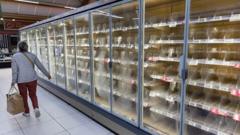
- Dozens of European retail locations experienced malicious remote intrusions targeting commercial cooling and freezing units.
- Experts warn that interconnected commercial appliances present an inviting, under-secured attack vector for cyber criminals.
- Industry regulators and cybersecurity firms are urging immediate audits of third-party vendor access to critical retail infrastructure.
A sophisticated and coordinated cyber-attack has successfully compromised the refrigeration units of dozens of retail locations across multiple European countries, sparking fresh urgency regarding the safety of interconnected commercial infrastructure. The security breach, which unfolded over recent days, allowed unauthorized external actors to manipulate critical temperature controls in supermarket freezers, forcing industry executives and cybersecurity specialists to confront a rapidly evolving threat landscape where everyday appliances can be weaponized against corporate networks.
This alarming incident underscores a growing blind spot in modern retail management, where the rapid adoption of Internet of Things (IoT) technology has far outpaced foundational cybersecurity measures. Historically, threat actors focused their efforts on traditional corporate databases, point-of-sale terminals, and customer record repositories. However, as supply chains and store operations become increasingly automated and cloud-connected, peripheral hardware—such as HVAC units, smart lighting, and commercial cooling systems—has emerged as a vulnerable entry point for sophisticated intruders seeking ransom or operational disruption.