Buckingham Palace Clarifies Monarch's Constitutional Boundaries Amid Commonwealth Slavery Debates
Buckingham Palace has issued a formal clarification asserting that the British sovereign's position within the Commonwealth is strictly unifying rather than policy-shaping. This intervention arrives amid intensifying global discussions regarding historical reparations and royal accountability.

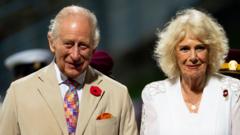
- Buckingham Palace maintains that the monarch's mandate is non-political and centered on global unity.
- The clarification addresses ongoing public discourse surrounding historical grievances and slavery reparations within the Commonwealth.
- Constitutional experts emphasize the distinct separation between diplomatic representation and executive governance.
LONDON — Buckingham Palace representatives formally clarified on Thursday that the British sovereign maintains a strictly unifying function across the Commonwealth, explicitly distinguishing the crown's diplomatic obligations from executive policy formulation.
The official statement addresses the intricate historical dynamics connecting the British monarchy to the legacy of transatlantic slavery, a subject that has generated intense public debate among member nations. While historical inquiries and advocacy groups continue to press for formal acknowledgments and potential reparations, the crown has sought to delineate its ceremonial influence from the legislative responsibilities held by elected governmental bodies.
According to reports by BBC News, palace officials underscored that while the monarch serves as the symbolic head of the intergovernmental organization, actual governance and policy decisions remain firmly in the hands of sovereign member states and their respective parliaments. This measured response reflects a delicate balancing act as the palace navigates evolving international sentiments regarding historical injustices.