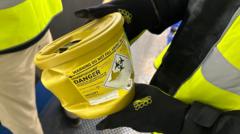
Waste management authorities across multiple regions have reported an alarming surge in discarded hypodermic needles turning up within everyday household rubbish, creating immediate physical hazards for municipal sanitation crews. The hazardous trend coincides directly with the booming consumer demand for self-administered anti-obesity pharmaceutical treatments, which rely on weekly subcutaneous injections managed privately by patients at home.
This emerging municipal crisis underscores a critical blind spot in the distribution and regulation of blockbuster weight-loss drugs. While millions of patients adopt these pharmaceutical regimens to combat metabolic conditions, existing infrastructure lacks adequate consumer education regarding the safe disposal of sharp medical instruments, leading many households to carelessly toss used applicators into standard waste bins rather than utilizing designated community sharps containers.
According to investigative reporting by the BBC News, recycling facility operators and municipal union representatives are expressing grave concern over the rising frequency of needlestick injuries and lacerations reported by sorting personnel. Industry stakeholders emphasize that standard material recovery facilities are fundamentally unequipped to safely handle biomedical waste, placing frontline workers at unnecessary risk of bloodborne pathogen exposure and severe physical trauma.
Looking ahead, municipal leaders and public health advocates are pressing pharmaceutical manufacturers and regulatory bodies to mandate comprehensive disposal kits alongside every medication prescription. Without immediate policy interventions, public awareness campaigns, and expanded local collection programs, waste management facilities will likely face escalating operational disruptions and mounting liabilities as the global demand for injectable therapeutics continues to climb.