Municipal Officials Scrap Controversial Plan for Zero-Fare Bus Trial
Local authorities have officially abandoned a proposed twelve-month pilot program aimed at eliminating transit fares for commuters. The decision rolls back a budget amendment that had previously sparked widespread debate among transportation planners and financial analysts.

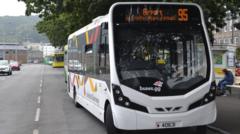
- The proposed year-long zero-fare transit initiative has been completely discarded from upcoming fiscal considerations.
- The trial was originally introduced as a last-minute legislative adjustment to the municipality's upcoming spending plan.
- Financial viability concerns and shifting budgetary priorities ultimately led to the withdrawal of the proposal.
Municipal authorities have officially shelved a controversial legislative amendment that would have launched a year-long zero-fare public transit initiative. The ambitious proposal, which aimed to eliminate commuter costs across local bus networks, was withdrawn following an extensive review of fiscal projections and municipal expenditure limits.
The trial scheme had originally entered public discourse as a late-stage amendment attached to the upcoming annual budget deliberations. Proponents of the measure had envisioned a comprehensive twelve-month evaluation period to measure how removing ticketing fees might alleviate urban congestion, reduce carbon emissions, and improve socioeconomic mobility for lower-income riders.
According to reports by BBC Business, the decision to eliminate the measure highlights the persistent tension between expanding public services and maintaining strict fiscal discipline within local government budgets. Industry analysts noted that while fare-free experiments have gained traction in various global cities, the long-term operational subsidies required to sustain such networks often present insurmountable hurdles for regional treasuries.