Hoffman's 'Graduate' Confession: 27 Slaps, a Discarded Scene, and the Unraveling of a Classic
Dustin Hoffman has described his time filming Mike Nichols' 1967 masterpiece "The Graduate" as a "terrible experience," alleging in a new The New Yorker essay that the director made Katharine Ross slap him 27 times for a scene ultimately discarded. The revelations have ignited fresh debate over the behind-the-scenes realities of classic Hollywood and the evolving legacy of one of cinema's most iconic debuts.
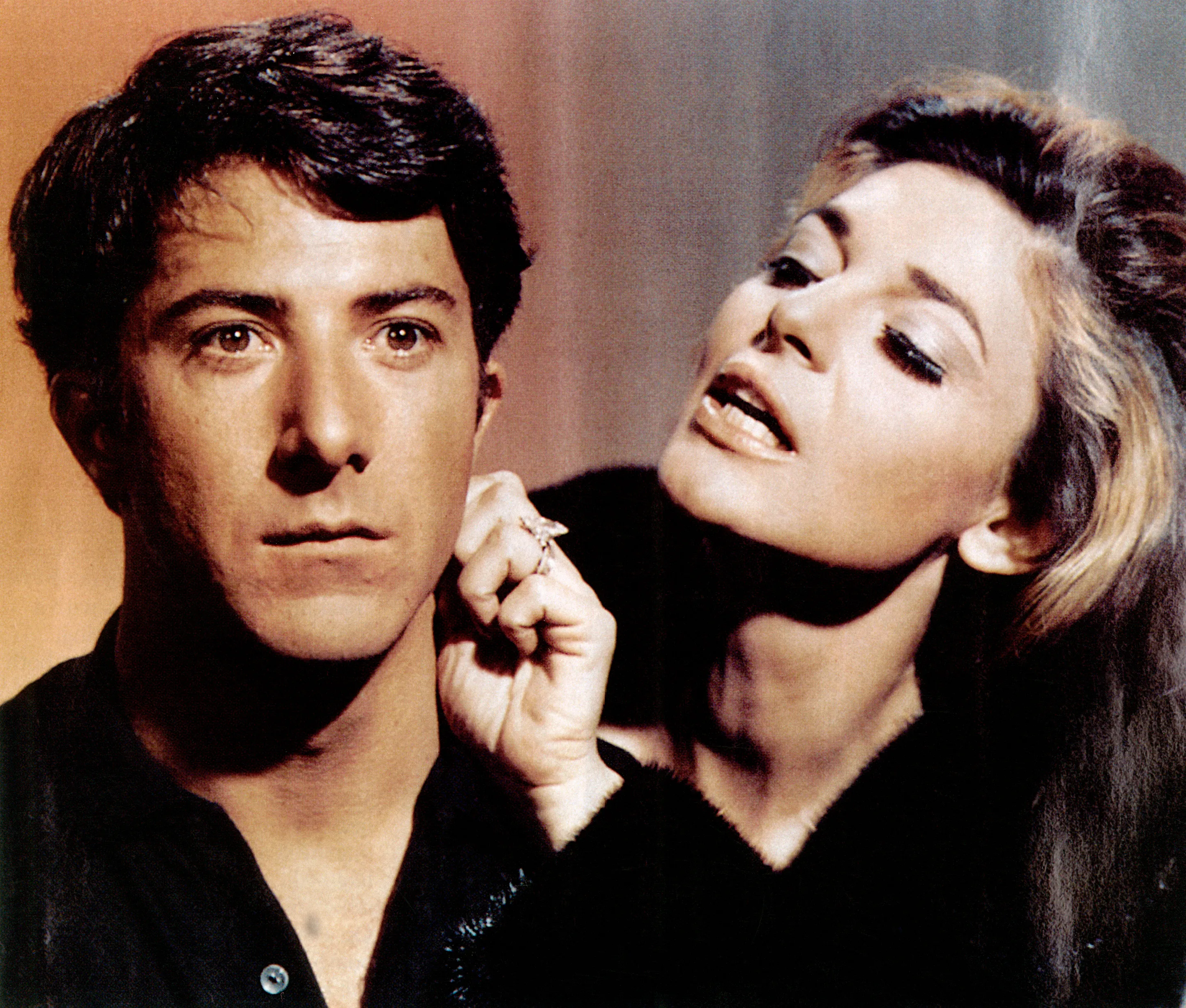
- Hoffman alleges Nichols ordered 27 slaps from Ross for a scene never used in the final film
- The revelations appear in a new The New Yorker essay, sparking debate over 1960s Hollywood power dynamics
- Variety and industry analysts say the account may prompt a broader reassessment of classic film legacies
Dustin Hoffman has described his time shooting Mike Nichols’ 1967 classic "The Graduate" as a "terrible experience," alleging in a recent The New Yorker essay that the director made Katharine Ross slap him 27 times for a scene that was never used in the final film. The revelations surface decades after the movie launched Hoffman to stardom as Ben Braddock and cemented the film's place in American cinema.
"The Graduate" remains a cornerstone of 1960s American filmmaking, earning Nichols an Academy Award and shaping a generation's view of youthful alienation. Behind the film's polished exterior, however, accounts of on-set friction have been scarce—making Hoffman's willingness to detail specific directives from a revered director a significant departure from the era's typical silence. Historians note that the film's legacy has long been built on its on-screen chemistry, often at the expense of acknowledging the human cost of its creation.
Variety reported on the essay, noting that Hoffman's candor forces a re-examination of not just "The Graduate," but the power dynamics that defined Hollywood's studio era. "Dustin Hoffman has never shied away from the truth, and this essay is no exception," a Variety editor observed. "It forces a re-examination of not just 'The Graduate,' but the cost of its creation." Industry analysts suggest the piece may encourage other surviving cast and crew to share previously untold stories from behind the camera.