Delhi Air Quality Plunges to 'Very Poor' Triggering Stage 2 GRAP Restrictions Across NCR
Delhi's air quality has deteriorated to the 'very poor' category for the first time this winter season, forcing regional authorities to implement stringent anti-pollution measures under Stage 2 of GRAP. The worsening smog has prompted immediate interventions, including hiked parking charges and staggered office hours to curb vehicular emissions.

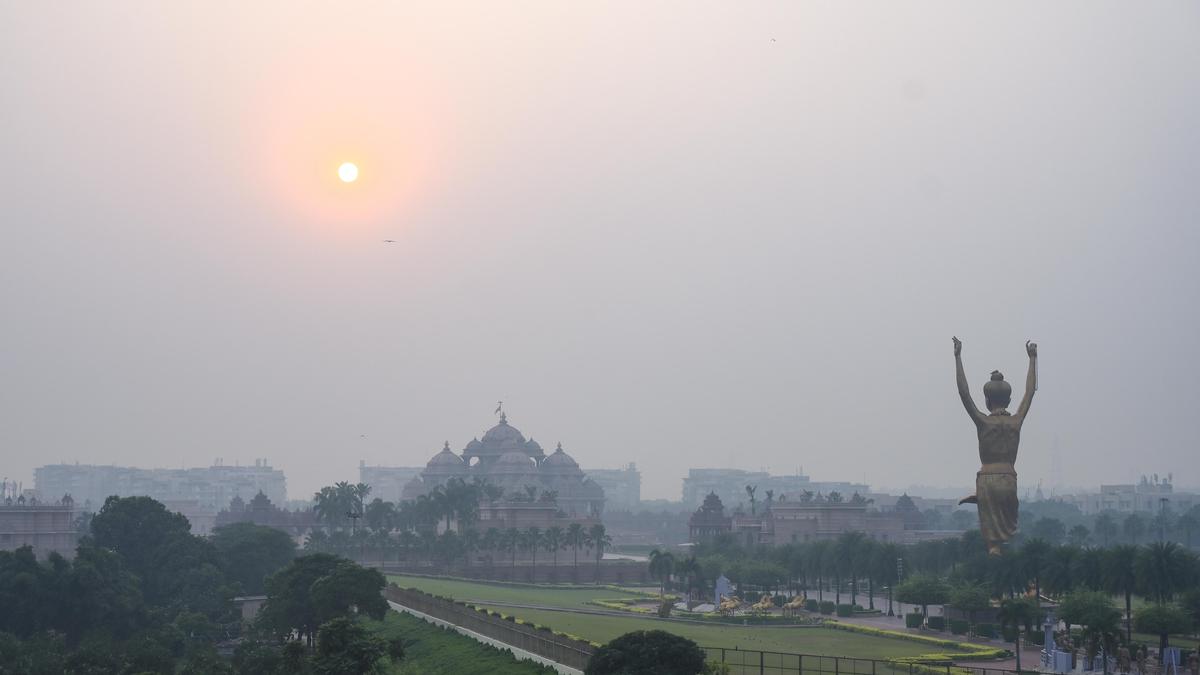
- Delhi's Air Quality Index surged to 324 by late afternoon, crossing the threshold into the 'very poor' bracket.
- Authorities activated Stage 2 of the Graded Response Action Plan, deploying targeted mitigation strategies across the National Capital Region.
- New mandates include escalated parking tariffs for private automobiles and adjusted operating schedules for government workspaces.
Delhi experienced its first severe smog episode of the winter season as the Air Quality Index (AQI) worsened significantly, compelling municipal authorities to enforce emergency containment protocols. By late afternoon, the overall pollution index registered at 324, landing firmly in the 'very poor' classification and marking a steep climb from the 261 reading recorded merely 24 hours prior.
This alarming acceleration in atmospheric degradation highlights the perennial crisis facing the National Capital Region as seasonal drop in temperatures coincides with local emission surges and regional stubble burning. The transition from 'poor' to 'very poor' conditions underscores the vulnerability of the region's airshed during the colder months, a recurring phenomenon that routinely threatens public health.
According to reports published by The Hindu, administrative bodies across the NCR have responded by initiating Stage 2 of the Graded Response Action Plan (GRAP). To mitigate the noxious haze, state governments are directed to amplify parking fees drastically in an effort to deter residents from utilizing personal motor transport, alongside implementing staggered work schedules for public sector personnel to flatten peak traffic emissions.