Bridging the Rural Divide: Government’s ‘Gramanubhava’ Initiative Immerses Urban Youth in Village Realities
The Indian government has launched the innovative 'Gramanubhava' program to give city-dwelling students a firsthand look at grassroots village life. This immersive initiative aims to foster empathy and bridge the socioeconomic gap between urban education and rural realities.
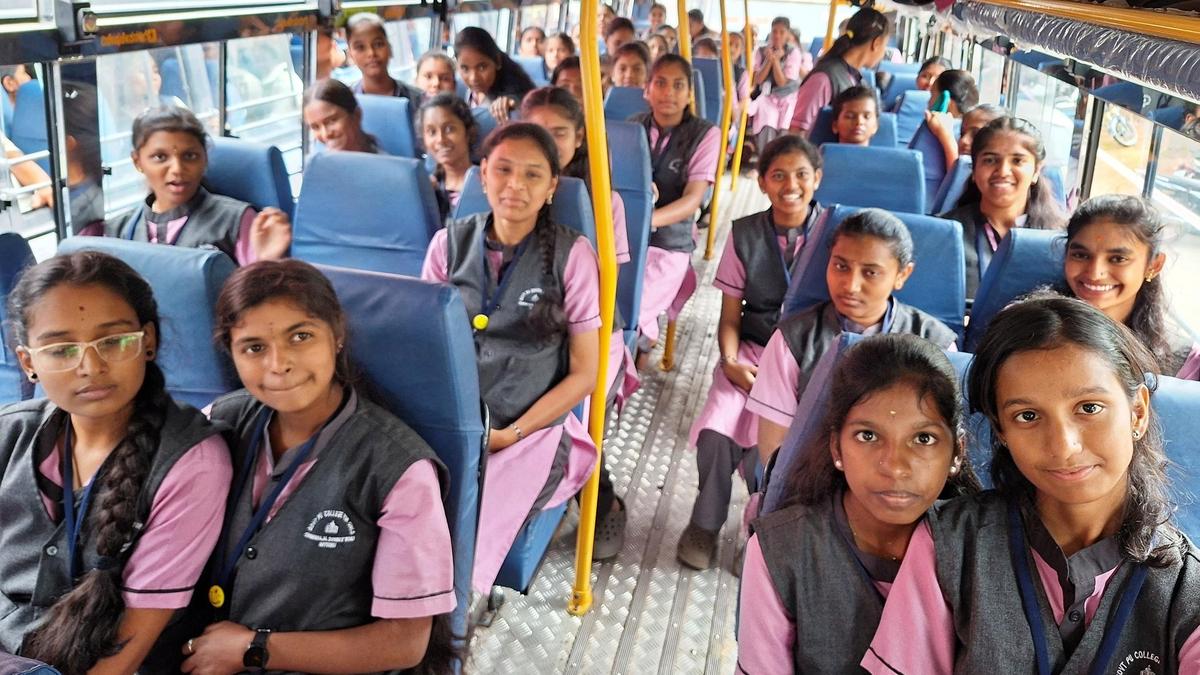
- The 'Gramanubhava' program directly connects city students with authentic rural lifestyles and challenges.
- The initiative seeks to build social empathy and a deeper understanding of agrarian economics among youth.
- Future rollouts plan to expand participation to more academic institutions nationwide.
NEW DELHI — In an effort to bridge the widening experiential gap between city youth and agrarian communities, educational authorities have officially launched the 'Gramanubhava' initiative, offering urban students an immersive window into authentic rural existence.
Historically, modern educational frameworks in metropolitan centers have remained insulated from the day-to-day realities of India’s hinterlands. The 'Gramanubhava' program was conceived to address this disconnect, providing a structured environment where students accustomed to high-tech urban amenities can witness, study, and participate in traditional village vocations and community structures.
According to detailed reports by The Hindu, educators and local administrators have praised the initiative for cultivating vital interpersonal skills and social consciousness among participants. Observers note that direct interactions with farmers and local artisans allow students to appreciate grassroots economic challenges that rarely appear in standard textbooks.
Looking ahead, organizers intend to scale the program across a broader spectrum of schools and universities, with plans to introduce collaborative community development projects. This trajectory suggests that experiential rural learning may soon become a permanent cornerstone of progressive national curricula.