Bengaluru Overhauls Infrastructure Growth With Fully Digitized TDR Framework
Municipal authorities in Bengaluru are transitioning the Transferable Development Rights mechanism into a completely digital format to accelerate urban development. This technological shift aims to eliminate bureaucratic bottlenecks and streamline property acquisitions for critical municipal road expansions.

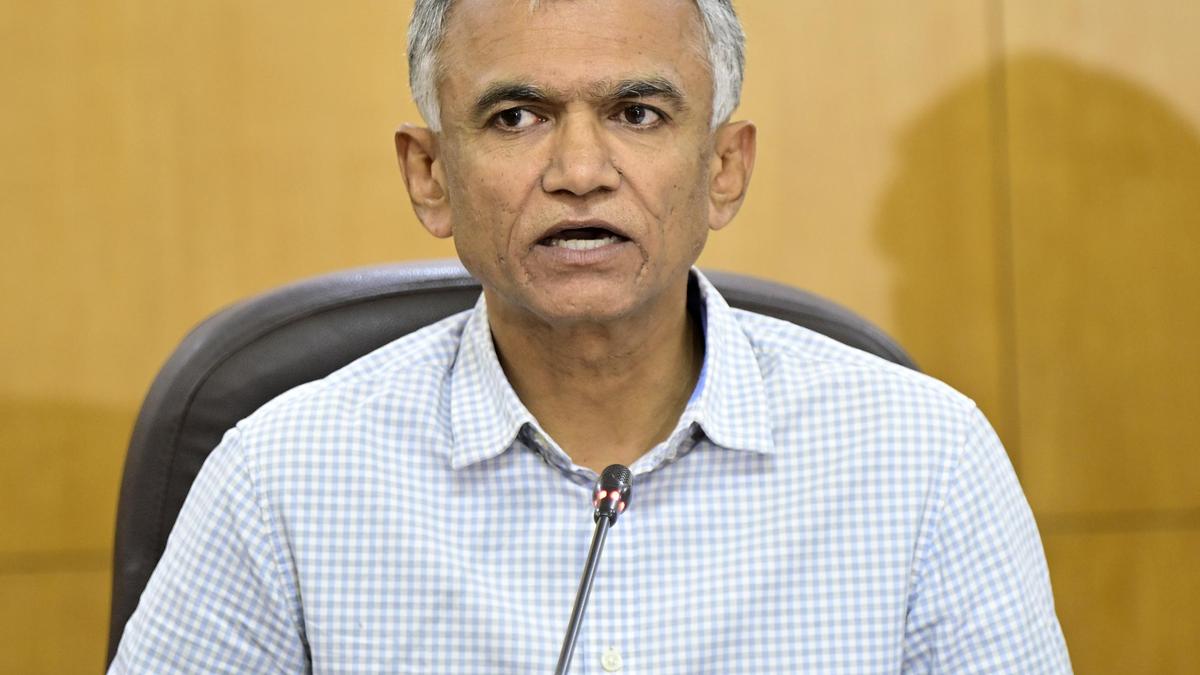
- Bengaluru authorities are digitizing the entire Transferable Development Rights workflow to accelerate sluggish infrastructure expansion.
- The technological transition aims to eradicate systemic bureaucratic delays and introduce complete transparency into land acquisition.
- Streamlining the TDR process is expected to directly expedite critical municipal projects such as major road widening initiatives.
BENGALURU — In a decisive push to untangle chronic urban bottlenecks, municipal authorities in Bengaluru have announced a complete digital overhaul of the Transferable Development Rights (TDR) workflow, designed to radically accelerate regional infrastructure development. Announced on Tuesday, the end-to-end electronic migration aims to replace cumbersome physical paperwork with an automated, web-based ecosystem for property owners and city planners alike.
Historically, acquiring and utilizing TDR certificates has been plagued by prolonged administrative delays, often stalling crucial public works and road widening initiatives across India’s Silicon Valley. By transitioning the system online, the local administration seeks to modernize land acquisition protocols, addressing long-standing grievances from citizens and contractors who faced significant hurdles in receiving compensation or development credits when surrendering private property for public use.
According to reports by The Hindu, this sweeping administrative reform is engineered to inject unprecedented levels of transparency into the bureaucratic pipeline. Industry experts and municipal officials anticipate that removing human discretion from routine file movements will dramatically shorten approval timelines, thereby encouraging faster property surrenders and unblocking stalled civic corridors.