Supreme Court Rules Public Protests Cannot Invalidate Right of Way Amid Delhi Agitations Targeting CEC Gyanesh Kumar
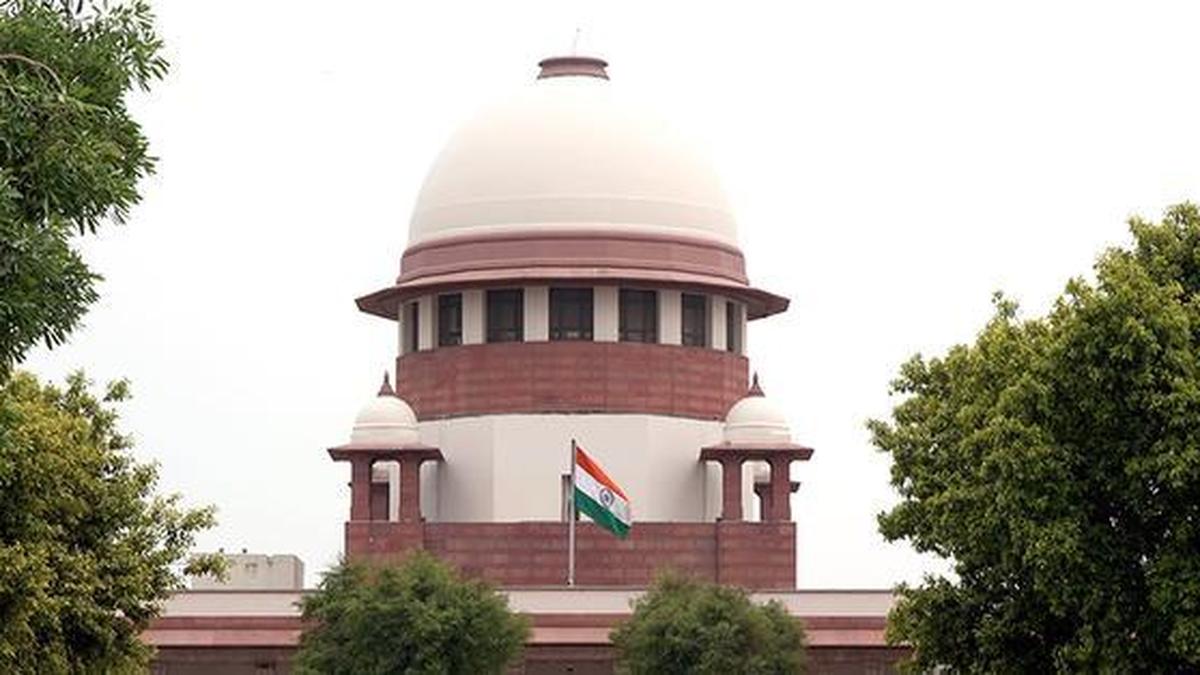
The Supreme Court of India has firmly stated that demonstrators cannot maintain indefinite occupancy of public spaces, addressing ongoing protests in the national capital directed at Chief Election Commissioner Gyanesh Kumar. The judicial intervention highlights the constitutional tension between the freedom of assembly and the public's right to unhindered infrastructure use.

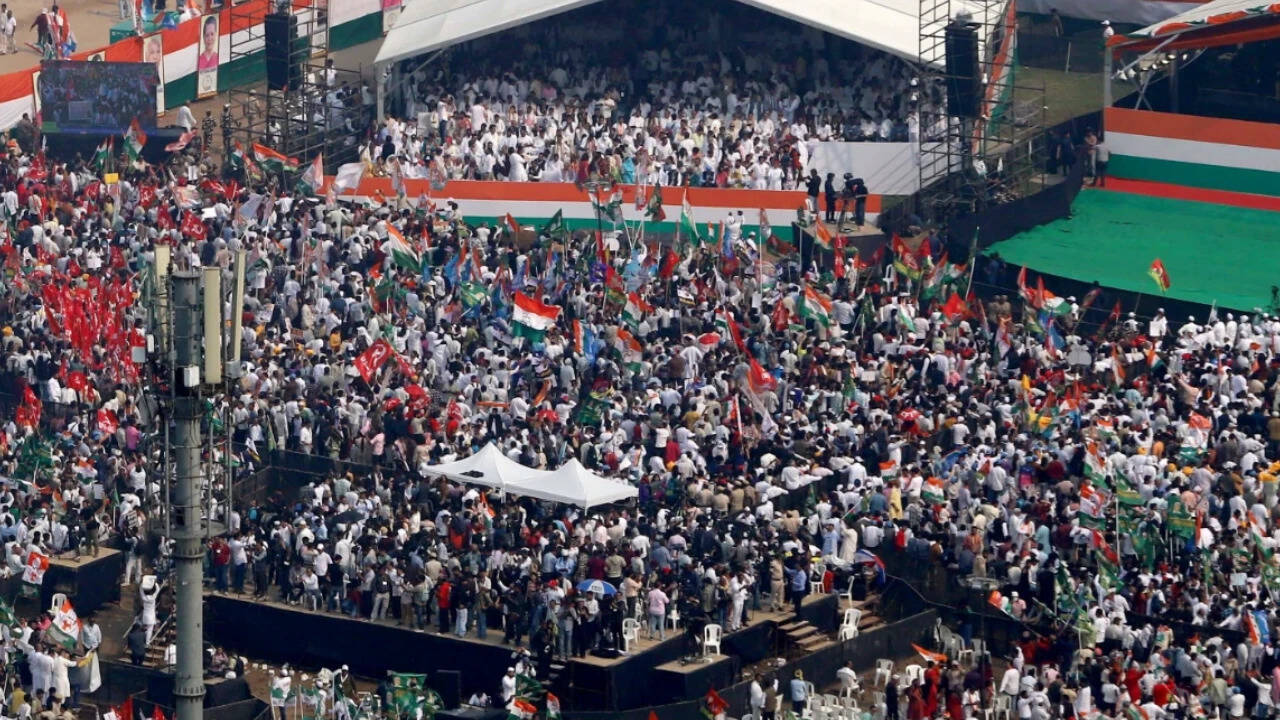
- The Supreme Court declared that no group holds the prerogative to blockade a public site indefinitely for protests.
- The legal scrutiny centers on demonstrations in New Delhi organized in opposition to Chief Election Commissioner Gyanesh Kumar.
- Authorities are expected to balance public order and security enforcement following the apex court's strict directives.
NEW DELHI — In a decisive judicial stance on public demonstrations, the Supreme Court of India asserted on Tuesday that protesters possess no legal entitlement to commandeer public thoroughfares or designated sites for indefinite periods. The ruling emerged during proceedings reviewing contentious public agitations staged in the national capital directed against Chief Election Commissioner Gyanesh Kumar, bringing the limits of public dissent back into the national spotlight.
The unfolding legal discourse touches upon a recurring flashpoint in Indian jurisprudence: the delicate equilibrium between the fundamental right to peaceful assembly and the broader public's right to seamless mobility and civic order. In recent years, urban centers like New Delhi have witnessed major demonstrations that frequently paralyze key transit corridors, prompting repeated judicial interventions regarding the regulation of public spaces.
According to reports by the Times of India, the apex bench emphasized that while civic expression is a cornerstone of democratic governance, prolonged blockades infringe upon community rights and create severe logistical challenges for urban administration. Legal analysts note that the court's observation serves as a stern reminder to organizers that freedom of speech and expression does not extend to the permanent privatization of shared public infrastructure.