Supreme Court Rules Public Spaces Cannot Be Occupied Indefinitely Under Guise of Protest
India's apex court has delivered a definitive stance on public demonstrations, ruling that indefinite occupation of public land under the pretext of agitation is legally untenable. The landmark observation underscores the delicate judicial balance between safeguarding citizens' rights to peaceful assembly and ensuring unhindered public infrastructure access.

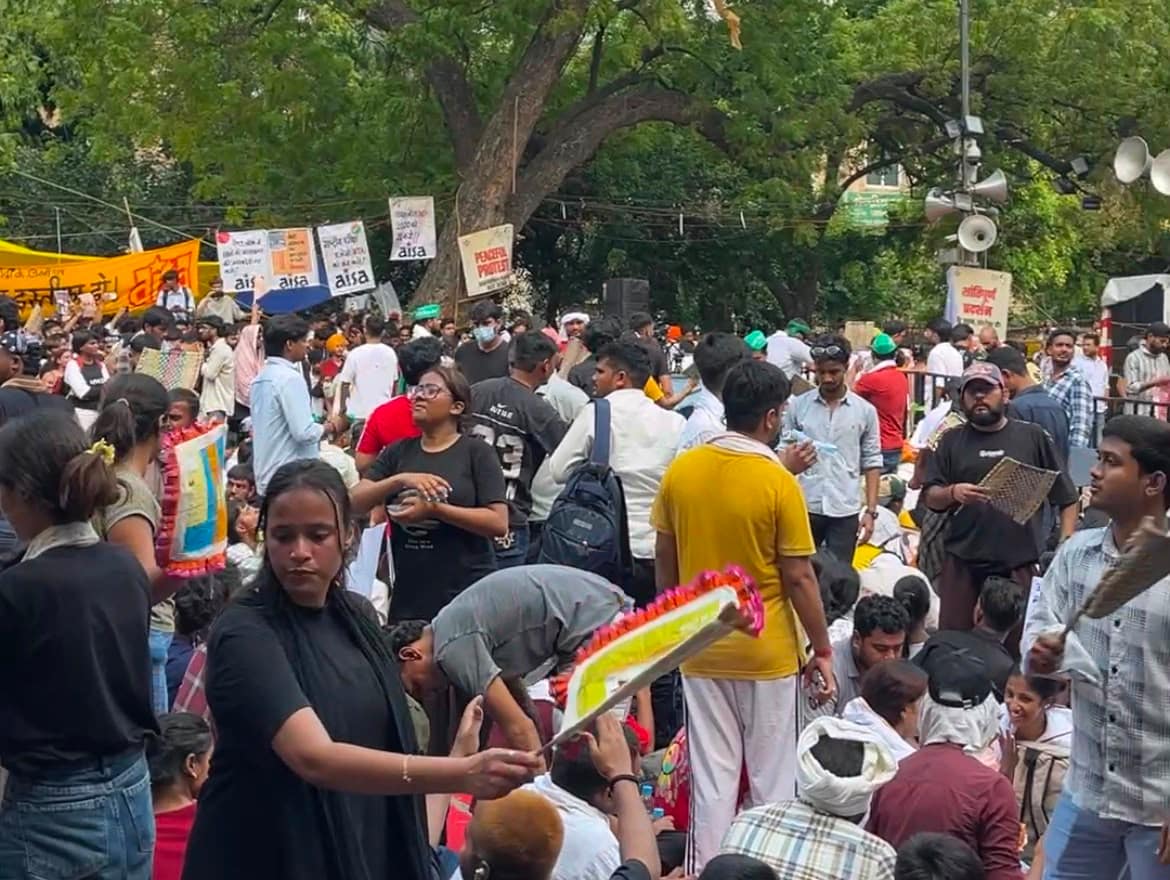
- The Supreme Court declared that prolonged blockades of public sites for demonstrations infringe upon public convenience.
- Judicial authorities emphasized that civic spaces must remain accessible to the broader populace without disruption.
- The ruling sets a significant legal precedent for balancing civil liberties with public infrastructure management across India.
NEW DELHI — In a decisive observation on civil demonstrations, India's Supreme Court has explicitly ruled that protesters cannot claim an inherent right to indefinitely occupy public property or thoroughfares under the banner of agitation. The high-profile remark highlights the judiciary's growing concern over the disruption of public infrastructure and urban mobility caused by prolonged sit-ins and localized blockades.
This judicial intervention arrives against a backdrop of recurring friction across major Indian cities, where long-term demonstrations frequently paralyze vital transit arteries and commercial zones. Historically, courts have grappled with the constitutional tension between protecting the fundamental right to peaceful assembly under Article 19 and preventing the infringement of public movement and economic activity.
According to reports by NDTV India, the bench underscored that while democratic dissent remains a protected pillar of the nation's constitution, it cannot be exercised at the absolute expense of public convenience and community welfare. Legal analysts note that this perspective reinforces prior judicial doctrines advocating for designated protest zones rather than unchecked physical takeovers of civic spaces.