Cyclone Murasu Aftermath: Chennai Faces Infrastructure Hurdles as Floodwaters Recede
Following the retreat of floodwaters in Chennai in the wake of Cyclone Murasu, severe road damage has emerged as a primary concern for local authorities. Although precipitation levels have dropped significantly across the metropolitan area, restoration efforts are expected to face prolonged delays.

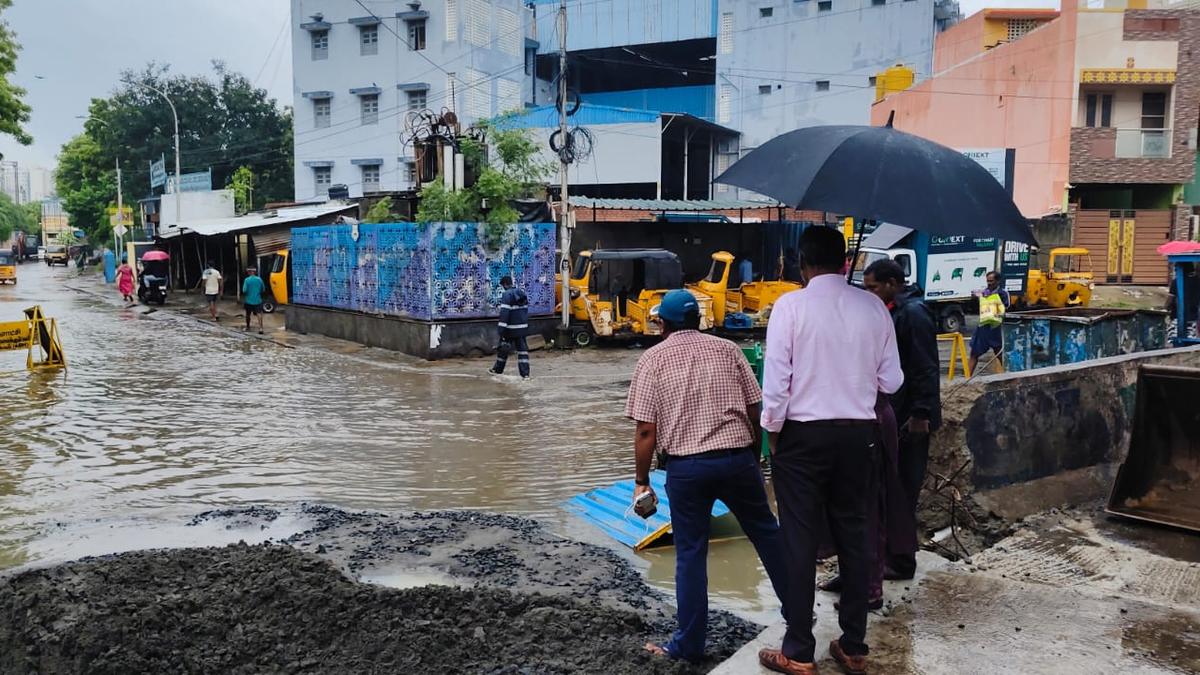
- Chennai registered minimal precipitation between early morning and afternoon hours, signaling a steady easing of immediate meteorological hazards.
- Ennore experienced the peak rainfall measurement during the monitoring window, highlighting localized weather variations.
- Damaged thoroughfares continue to pose significant mobility challenges even after inundation levels have subsided.
CHENNAI — Municipal authorities in Chennai are shifting their focus from flood rescue to infrastructure rehabilitation as severe road degradation emerges as the chief challenge following the gradual withdrawal of rainwater left by Cyclone Murasu. Meteorological data gathered between 6:00 a.m. and 2:00 p.m. indicated a city-wide average rainfall of just 2.08 millimeters, reflecting a substantial abatement in immediate weather severity across the coastal metropolis.
This fragile respite follows days of severe atmospheric disturbance that battered the region, overwhelming local drainage systems and isolating multiple neighborhoods. While the heaviest storm surges have dissipated, the systemic strain placed on municipal infrastructure by continuous downpours has left extensive structural scars, exposing vulnerabilities in the city's aging transit networks and paving materials.
According to reports published by The Hindu, monitoring stations across the urban center captured overwhelmingly minor precipitation totals during the eight-hour observation window, with 47 tracking very light showers and 16 recording light rainfall. Ennore registered the peak reading within the district at 5.6 millimeters, underlining how localized pockets continue to experience sporadic moisture even as broader meteorological conditions stabilize.