Aviation Safety Overhaul: DGCA Enforces Two-Pilot Rule, Sparking Char Dam Helicopter Boycott
India's aviation watchdog has ordered a mandatory two-pilot system for commercial helicopter operations starting Monday, significantly escalating safety protocols in high-altitude regions. In response, commercial rotorcraft operators have threatened an immediate suspension of vital pilgrimage flights to the sacred Char Dam shrines.
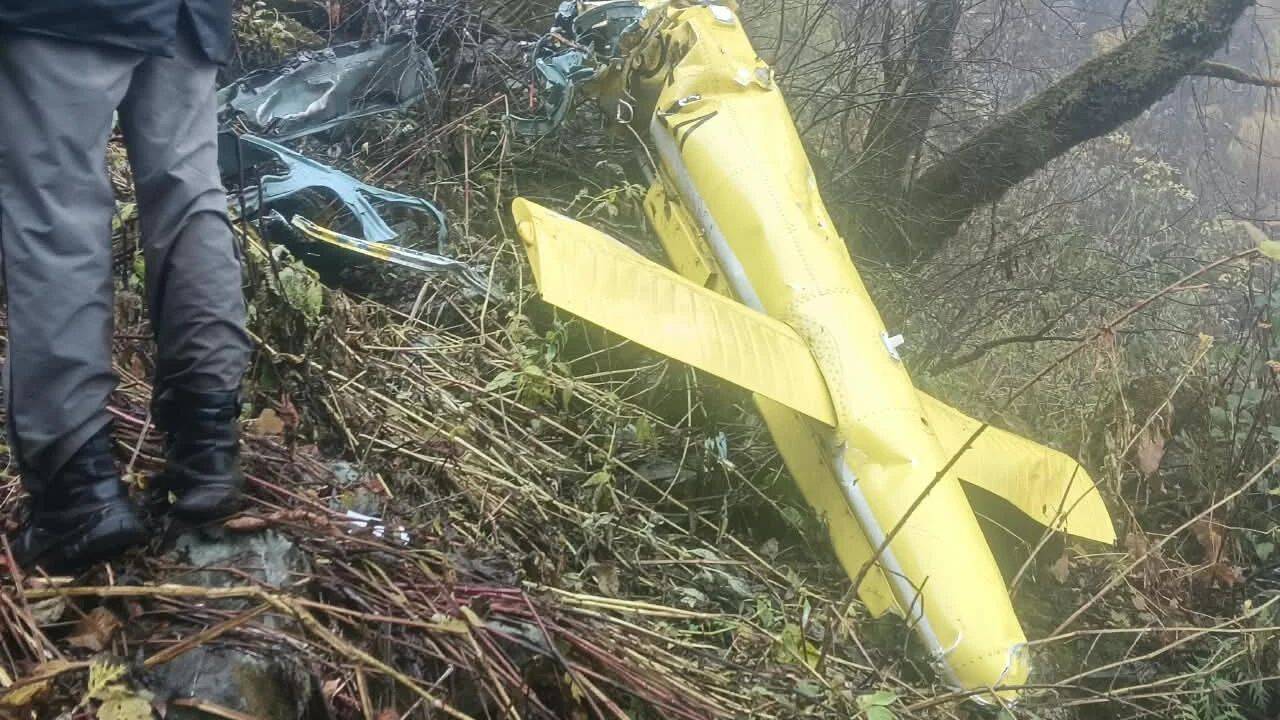
- The Directorate General of Civil Aviation has mandated twin-pilot operations for helicopters effective Monday.
- Helicopter operators have strongly opposed the directive, warning of a complete shutdown of Char Dam pilgrimage services.
- The standoff highlights the ongoing tension between enforcing stringent aerial safety measures and maintaining regional transport accessibility.
NEW DELHI — India’s civil aviation authority has issued a strict directive requiring all commercial helicopter operators to implement a mandatory two-pilot crew system starting Monday, a major regulatory shift aimed at bolstering passenger safety in challenging terrain. The sudden enforcement of this dual-command protocol has sent shockwaves through the commercial rotorcraft sector, triggering immediate pushback from operators who service critical mountain routes.
This aggressive regulatory stance follows persistent scrutiny over high-altitude aviation incidents and a broader push by authorities to eliminate single-pilot vulnerabilities in unpredictable weather conditions. Mountainous air corridors, particularly those winding through treacherous Himalayan topography, have historically relied on flexible crewing standards to manage operational overhead, making this sudden shift a watershed moment for domestic aviation oversight.
According to reports by the Times of India, commercial helicopter companies have fiercely resisted the timeline, threatening to completely halt lucrative pilgrimage flights to the revered Char Dam shrines if the regulator refuses to grant an immediate extension or compromise. Industry representatives argue that the abrupt mandate fails to account for existing pilot shortages and threatens to paralyze regional connectivity during peak travel seasons.
As the Monday deadline approaches, industry stakeholders and federal regulators remain at an impasse, with travelers and local tourism economies bracing for potential disruptions. The outcome of this standoff will likely set a decisive precedent for how commercial aviation safety policies are negotiated and implemented across India's most demanding geographical sectors.
Reader Sentiment & Assessment
86 responsesHow do you evaluate this investigative report? Anonymous 1-click reaction.
Start Your Day With Verified Intelligence.
Essential national dispatches, market intelligence, and global investigations delivered directly to your inbox every morning at 7:00 AM. Zero fluff, 100% verified.