Enforcement Directorate Freezes ₹510 Crore in Assets Tied to Anil Ambani's Reliance Group Over Alleged Bank Fraud
India's financial intelligence agency has seized assets worth more than ₹510 crore in connection with long-standing fraud investigations targeting three major Anil Dhirubhai Ambani Group entities. The latest enforcement action intensifies scrutiny on corporate financial irregularities and systemic lending risks within the nation's banking sector.

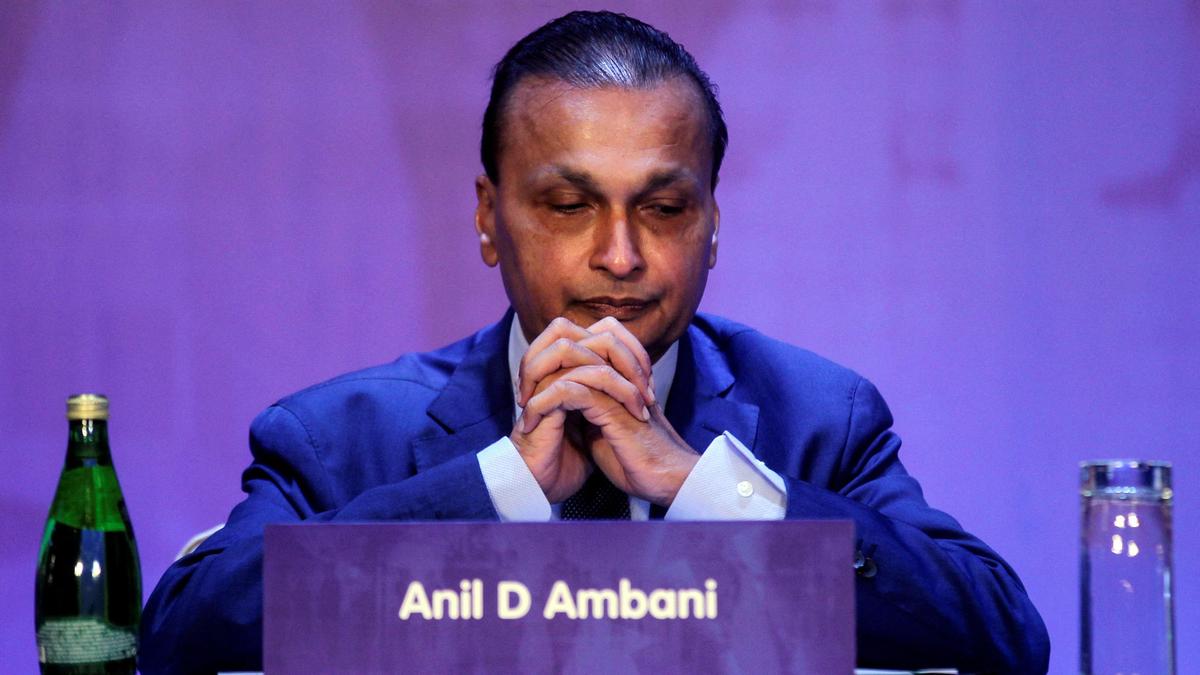
- The Enforcement Directorate attached assets totaling ₹510.17 crore linked to Reliance Anil Ambani Group firms.
- The ongoing financial fraud probe involves Reliance Communications, Reliance Home Finance, and Reliance Commercial Finance.
- This enforcement action underscores regulatory tightening against corporate loan defaults and systemic banking fraud in India.
NEW DELHI — India's Enforcement Directorate (ED) announced a major financial clampdown on November 3, executing the attachment of assets valued at ₹510.17 crore associated with the Reliance Anil Ambani Group. The sweeping enforcement action stems from extensive investigations into alleged multi-crore bank fraud schemes orchestrated through flagship corporate vehicles, including Reliance Communications Limited, Reliance Home Finance Limited, and Reliance Commercial Finance Limited.
The sweeping seizures mark a significant escalation in federal scrutiny regarding corporate governance and institutional lending practices in India. For years, regulatory authorities and lending institutions have grappled with the fallout from the rapid accumulation of distressed debt and non-performing assets across the conglomerate's various infrastructure and financial verticals, culminating in the current criminal and financial investigations.
According to investigative briefings cited by The Hindu, federal financial crime investigators have been meticulously auditing fund trails, corporate balance sheets, and inter-company loan transactions to establish evidence of systemic financial diversion. While formal legal representatives for the conglomerate have historically contested regulatory claims, investigators maintain that the attached properties and financial holdings represent proceeds of crime siphoned away from public sector lenders.