India's Job Crisis Shifts from Unemployment to Deep Deficit in Decent Work, Analysis Reveals
Recent economic data highlights a troubling paradox in India's labor market, where declining jobless rates mask a severe shortage of high-quality employment. This deficit in secure livelihoods threatens long-term consumer spending power and national economic resilience.

- Job creation metrics show numerical improvement, but the underlying quality of newly generated positions remains critically low.
- Workers trapped in precarious informal roles lack vital social security nets, severely limiting their capacity to spend and save.
- Economists warn that widespread vulnerability to financial shocks could ultimately drag down broader national growth trajectories.
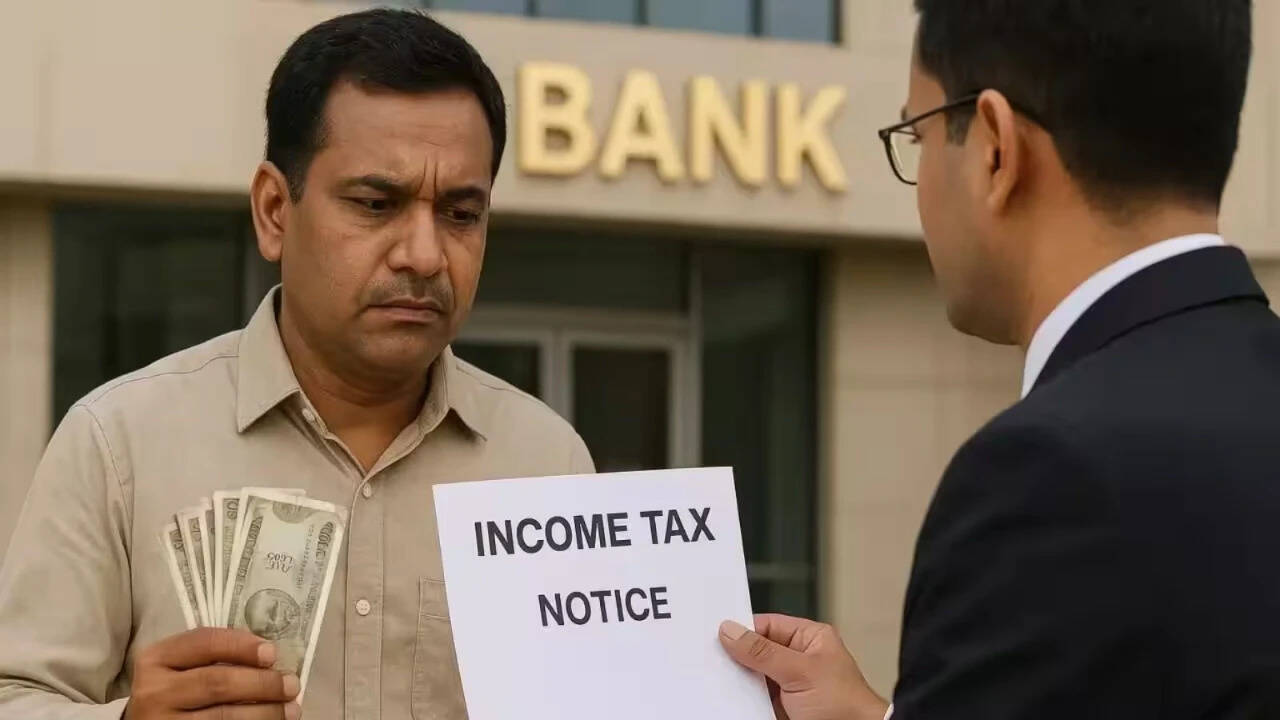
NEW DELHI — While official indicators suggest a downward trend in India’s headline unemployment figures, a deeper examination of the nation's labor market reveals an escalating crisis centered on the severe shortage of secure, well-compensated livelihoods. Across urban and rural sectors alike, millions of individuals are finding work, yet the vast majority of these opportunities fail to meet the fundamental criteria of stable employment, leaving a massive workforce exposed to persistent economic precarity.
This phenomenon of pervasive low-grade job creation has become a central concern for labor economists and market analysts tracking the country's post-pandemic recovery. Historically, national policy discussions have heavily prioritized quantitative job growth over qualitative labor reforms. However, the modern economic landscape exposes the limitations of simply counting new jobholders when those positions lack written contracts, fair compensation, and institutional safety nets.
According to comprehensive reports published by The Hindu, this shortfall in reliable employment structures carries direct, negative consequences for the broader national economy. Labor experts emphasize that workers denied access to formal social security systems naturally restrict their consumption habits, hoarding minimal cash reserves and remaining perpetually vulnerable to unforeseen medical, personal, or macroeconomic disruptions.