Supreme Court Declares Two-Child Penalties Obsolete as Fertility Rates Plummet
The Supreme Court ruled that falling fertility rates have rendered two-child penalty laws outdated, stating the demographic fear of overpopulation has crumbled in recent decades. The observation signals a potential shift in India’s population policy framework.

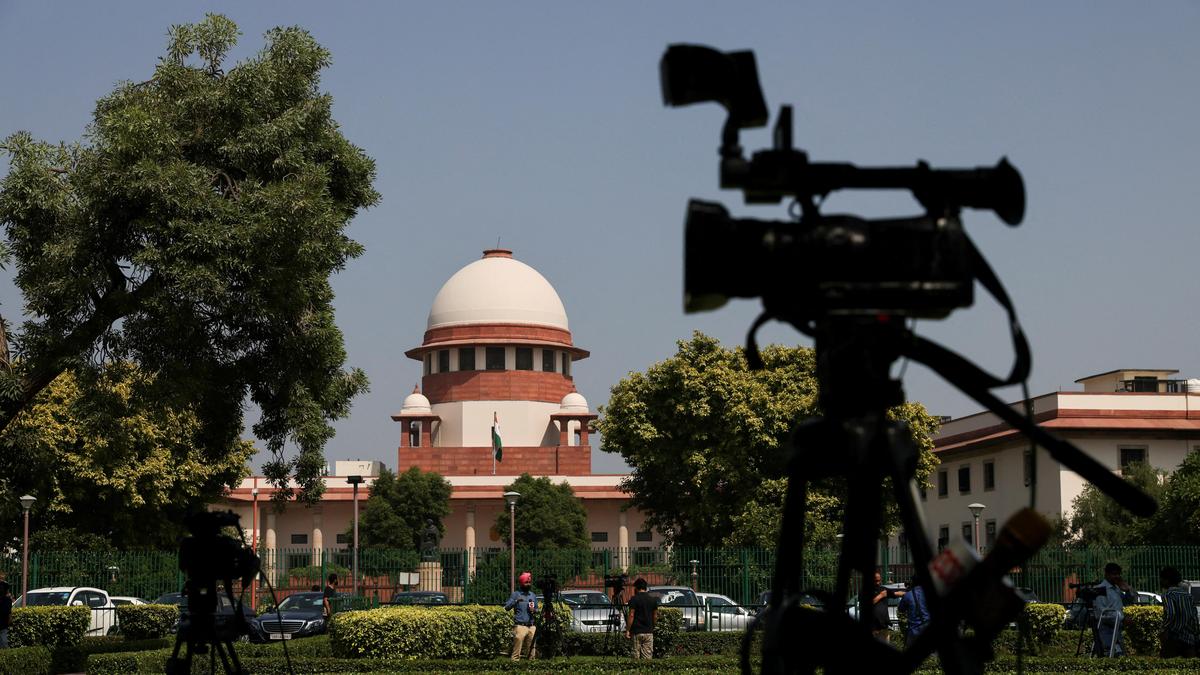
- Supreme Court bench links obsolescence of two-child laws to plummeting fertility rates across India
- Demographic data showing fertility below replacement level undermines the legal basis for population penalties
- Ruling may prompt legislative review of state-level policies tied to population control norms
The Supreme Court on Thursday observed that falling fertility rates across India have rendered two-child penalty laws obsolete, marking a pivotal moment in the judiciary's engagement with population policy. A Bench of the Court stated that the demographic rationale underpinning such restrictions has been fundamentally altered by recent population trends, effectively sounding the death knell for legislation predicated on fears of overpopulation.
Two-child norms have long been embedded in various state-level policies, ranging from eligibility for local body elections to government job quotas and welfare benefits. Introduced decades ago when India's population growth was a primary concern, these provisions now stand in stark contrast to data showing a steady decline in total fertility rates, which have fallen below replacement level in many states. Experts argue that the policy framework has failed to keep pace with the country's evolving demographic reality.
The Bench noted that the foundation of such laws, that is the fear of overpopulation, has crumbled due to demographic changes in the past few decades. The observation has been welcomed by demographers and rights activists who contend that population control measures based on outdated assumptions unjustly penalize communities and undermine reproductive autonomy. Legal scholars suggest the ruling could trigger a re-examination of numerous statutory provisions across multiple states.