Farmer Leader Gurnam Singh Charuni Sounds Alarm Over Proposed India-US Trade Deal at Kerala Mahapanchayat
Prominent agricultural leader Gurnam Singh Charuni has strongly cautioned against the impending Indo-U.S. trade pact during a major gathering in Kerala's Palakkad district. He warned that unrestricted foreign imports threaten to devastate domestic farming, small-scale enterprises, and the dairy industry.

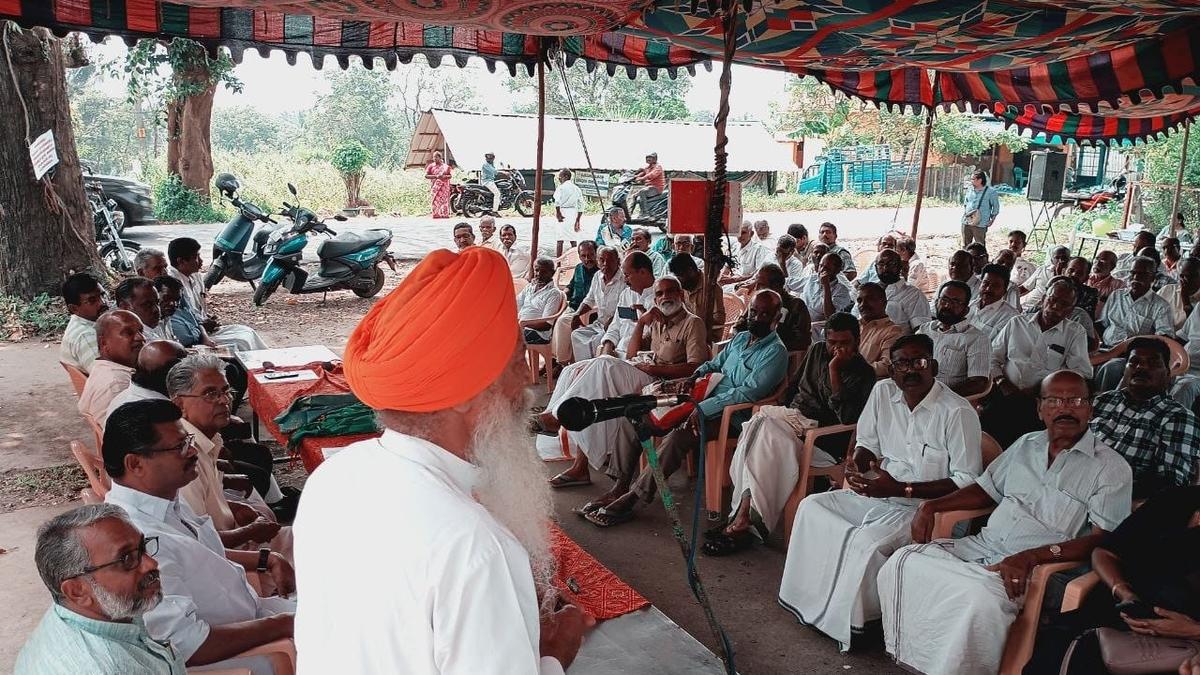
- Gurnam Singh Charuni warns that the Indo-U.S. trade pact will flood local markets with unrestricted foreign goods.
- The agricultural leader made these remarks while inaugurating a high-profile Kisan Mahapanchayat in Plachimada, Kerala.
- Concerns have been raised over the severe economic fallout threatening small businesses, fisheries, poultry, and dairy farming.
PALAKKAD — Prominent Indian farmer leader Gurnam Singh Charuni launched a scathing critique against the prospective bilateral trade pact between New Delhi and Washington, warning that the agreement poses a severe existential threat to the nation's agrarian economy. Addressing a massive gathering during the inauguration of the Kisan Mahapanchayat at Plachimada in Palakkad district of Kerala, Charuni asserted that opening domestic markets to foreign economic forces would dismantle traditional livelihoods.
The warning highlights deep-seated anxieties within India's agricultural community regarding globalization and bilateral trade negotiations. For decades, Indian farmers and grassroots organizations have fiercely resisted policies perceived as opening domestic sectors to heavily subsidized foreign competition without adequate safeguards. Plachimada, historically significant as the epicenter of anti-multinational grassroots movements, served as a symbolic backdrop for Charuni's address against corporate-led trade policies.
According to reports published by The Hindu, Charuni elaborated that the impending trade accord would dismantle protective barriers, permitting an unhindered influx of foreign commodities. He cautioned that the fallout would extend far beyond traditional crop cultivation, directly crippling ancillary rural sectors including small-scale retail establishments, inland fisheries, poultry operations, and the vital dairy industry.