High Court Rejects NIA Appeal, Upholding Bail for Jammu and Kashmir Terror Conspiracy Suspect
The High Court has formally dismissed a National Investigation Agency petition, sustaining a previous order granting bail to an individual implicated in a Jammu and Kashmir terror conspiracy. This ruling highlights ongoing judicial scrutiny regarding the evidentiary thresholds required for prolonged pre-trial detention in national security cases.
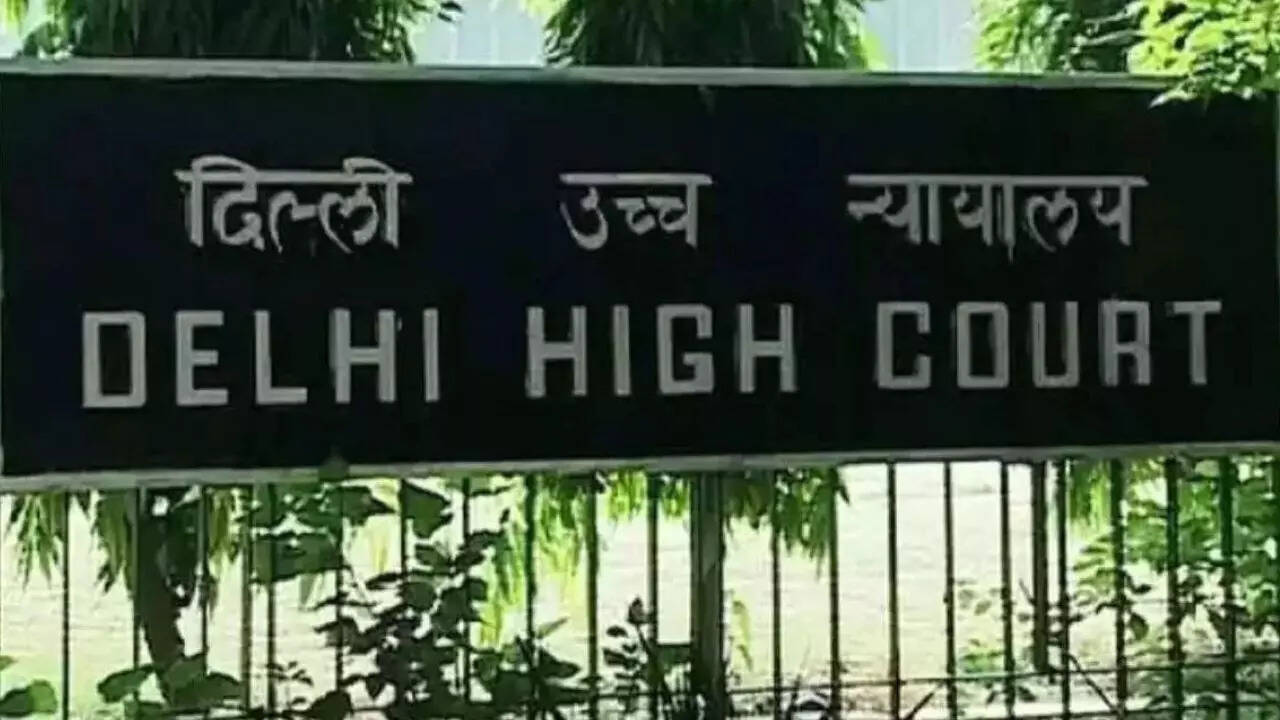
- The High Court ruled against the National Investigation Agency, maintaining the bail granted to a key accused in a J&K terror conspiracy case.
- According to Times of India reporting, the decision emphasizes the judiciary's insistence on robust prima facie evidence before denying liberty in stringent anti-terror proceedings.
- Legal analysts note this verdict could influence how federal investigators structure similar counter-terrorism indictments moving forward.
In a significant legal development for national security jurisprudence, the High Court has formally rejected a petition filed by the National Investigation Agency (NIA), thereby upholding a lower court's decision to grant bail to an individual linked to a Jammu and Kashmir terror conspiracy. The ruling, delivered amidst stringent anti-terror frameworks, centers on the balance between national security imperatives and the fundamental right to personal liberty during the pre-trial phase.
This judicial outcome traces back to extensive counter-terrorism operations in the region, where federal investigators have consistently pushed for strict pre-trial detention under stringent statutes like the Unlawful Activities Prevention Act (UAPA). The defense challenged the robustness of the state's custodial justification, leading lower judicial forums to extend relief, a decision the central anti-terror agency subsequently contested at the High Court level.
According to reports published by the Times of India, the bench critically evaluated the submissions presented by the federal prosecution, concluding that the existing material did not sufficiently warrant the continued incarceration of the accused at this stage of the proceedings. Legal observers note that while national security remains a paramount concern for the judiciary, courts are increasingly scrutinizing the velocity of investigations and the strength of direct implicating evidence before endorsing extended detentions without trial.
Looking ahead, this verdict is expected to shape the legal strategies of both federal prosecutors and defense counsels handling similar terror-related dossiers across the union territory. As the case returns to the trial court for further proceedings, legal experts will closely monitor how the prosecution adapts its evidentiary approach to meet the rigorous standards highlighted by the High Court's latest judgment.
Reader Sentiment & Assessment
86 responsesHow do you evaluate this investigative report? Anonymous 1-click reaction.
Start Your Day With Verified Intelligence.
Essential national dispatches, market intelligence, and global investigations delivered directly to your inbox every morning at 7:00 AM. Zero fluff, 100% verified.