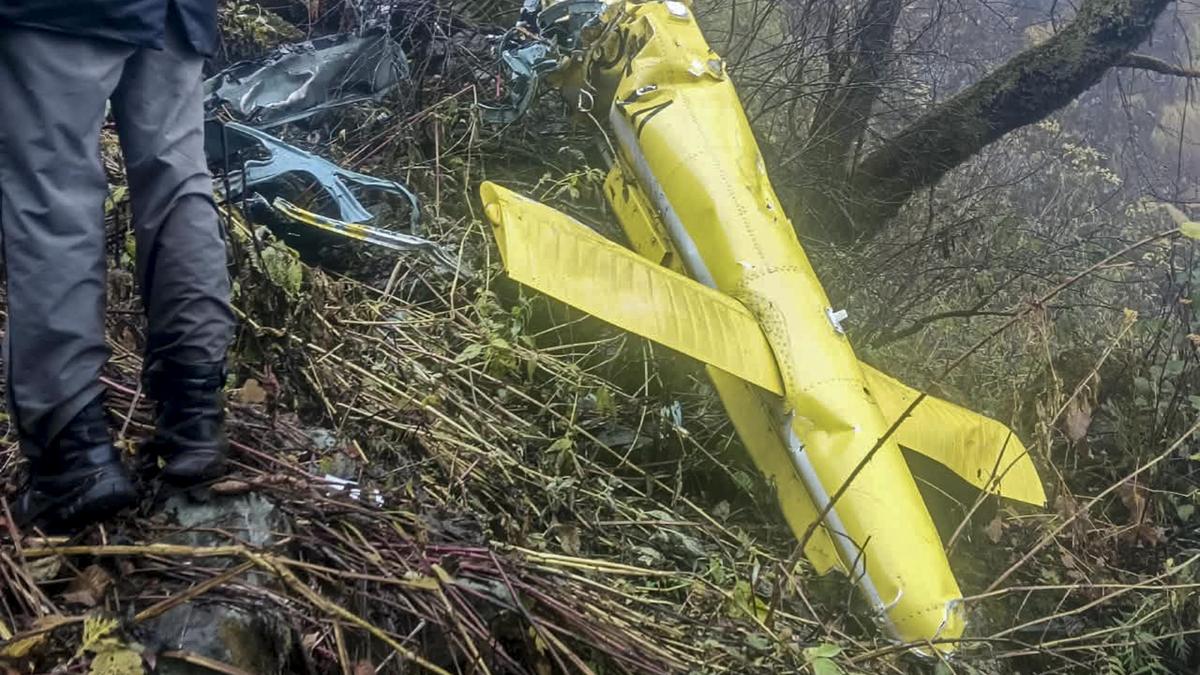
Aviation operations for pilgrims in Uttarakhand continued unabated despite severe meteorological warnings, drawing sharp condemnation from prominent social activists who argue that preventable risks were taken with civilian lives. According to information brought to light in the wake of a recent regional tragedy, commercial helicopter flights were permitted to traverse sensitive routes even after the state administration issued cautionary directives and weather advisories for multiple high-altitude districts.
This controversy underscores persistent vulnerabilities in how regional authorities balance high-volume religious tourism with extreme weather management. Meteorological departments had previously flagged severe atmospheric disturbances, issuing an orange alert that warned of intense rainfall and heavy snowfall across five vulnerable zones, including Chamoli. Despite these explicit warnings from forecasting agencies and subsequent guidance from the Chief Minister's Office urging strict oversight on visitor movement, standard operating procedures for aerial transit failed to reflect the mounting environmental hazards.
Weighing in on the unfolding discourse, activist Anoop Nautiyal emphasized that the disaster was particularly agonizing because advance warnings were ignored by the implementing agencies. According to reports by The Hindu, Nautiyal pointed out a critical disconnect between the issuance of administrative advisories and their actual enforcement on the ground, noting that commercial pressures often override vital safety protocols during peak pilgrimage seasons.
As public pressure mounts for greater accountability, regulatory bodies are expected to face rigorous scrutiny regarding their emergency response frameworks. Future developments will likely center on whether the state government implements mandatory flight suspensions during severe weather warnings, potentially reshaping tourist logistics and emergency management across India's fragile Himalayan corridor.