Kashmiri Heritage Rice Holds Genetic Clues to Future Climate-Resilient Agriculture
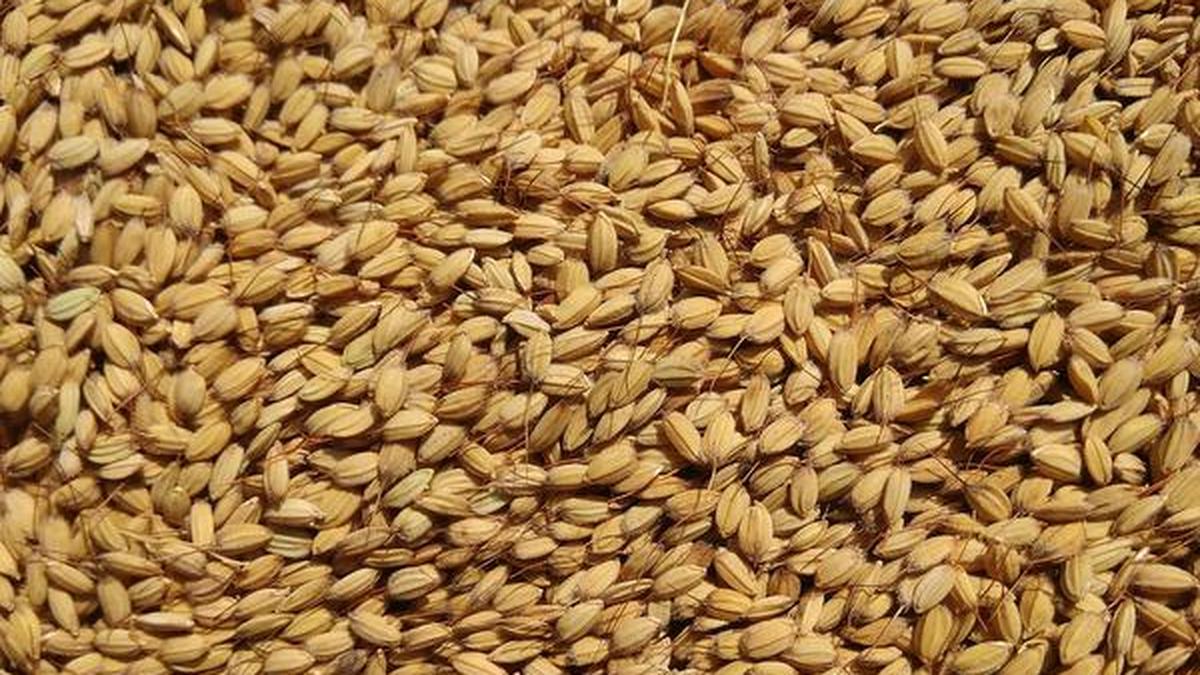
- •Indigenous Kashmiri rice varieties retain essential cold-tolerance genes lost in modern strains.
- •Researchers emphasize the critical value of these genetic archives for future climate-resilient crop breeding.
- •Findings published via The Hindu highlight an evolutionary journey of these crops originating from East Asia.
SRINAGAR — Groundbreaking scientific analysis has revealed that indigenous rice cultivars grown in the Kashmir Valley possess specialized genetic traits, including high cold-tolerance, which have largely vanished in contemporary commercial crops. Released recently, the study outlines how these heritage plants carry localized adaptations that could become indispensable weapons for farmers facing escalating climate instability.
Historically nurtured across the mountainous terrain, these legacy grains evolved through centuries of rigorous selection, tracing an ancient botanical lineage from East Asia into the high-altitude wetlands of the subcontinent. While modern high-yield agricultural practices favored uniformity and rapid production, they inadvertently stripped away robust resilience markers that older cultivars managed to preserve against harsh environmental pressures.
According to detailed reports by The Hindu, agricultural scientists underscore that tapping into these native gene pools represents a vital pivot for future food security. Agronomists note that as rising global temperatures and unpredictable weather systems disrupt traditional farming cycles, preserving and utilizing such endemic genetic material is no longer optional but a biological necessity.
Moving forward, agricultural authorities plan to integrate these resilient markers into institutional breeding programs aimed at developing hardier commercial varieties. Researchers anticipate that upcoming field trials will successfully isolate these cold-hardy traits, paving the way for next-generation crops capable of thriving in increasingly hostile climates.