Indian Public Health NGO REACH Honored with Prestigious 2026 Kochon Prize for Tuberculosis Eradication Efforts
The prominent Indian non-governmental organization REACH has been awarded the esteemed 2026 Kochon Prize for its relentless dedication to combating tuberculosis. This international recognition highlights India's frontline efforts in mobilizing communities and implementing innovative strategies to eradicate the disease.

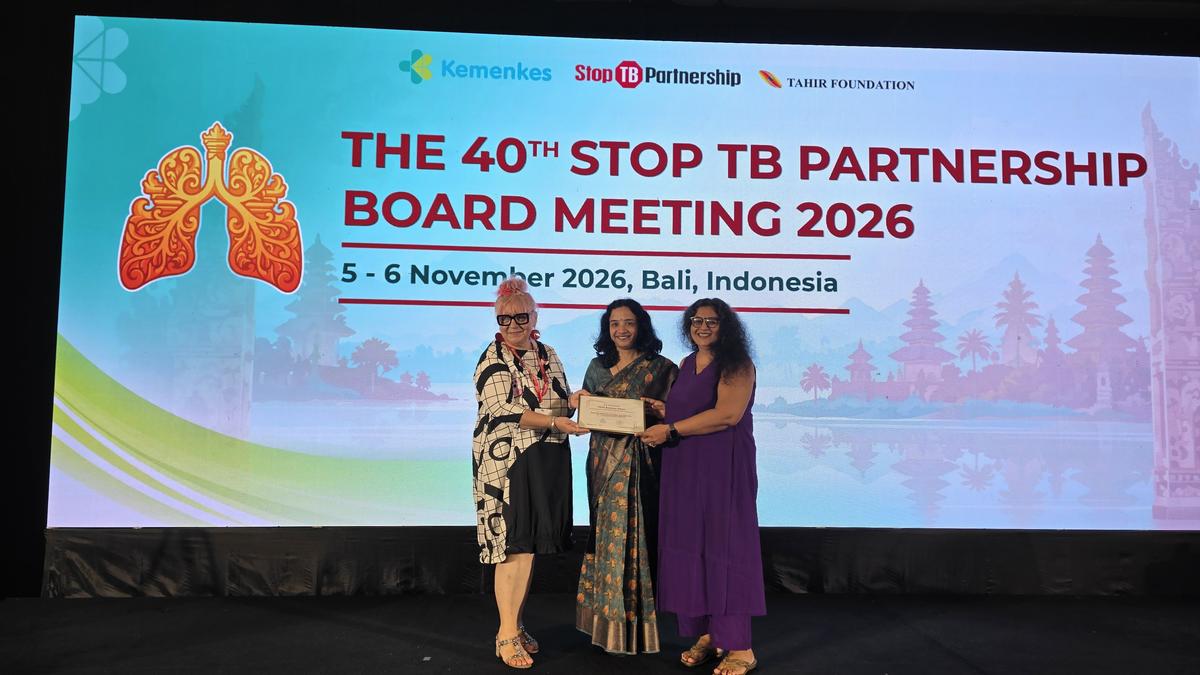
- REACH received the 2026 Kochon Prize, a high-profile international accolade presented jointly by the Kochon Foundation and the Stop TB Partnership.
- The award recognizes extraordinary leadership and impactful grassroots initiatives aimed at eliminating tuberculosis globally and locally.
- Public health experts believe this honor will bolster domestic morale and attract additional global resources for India's national TB elimination goals.
The Indian non-governmental organization REACH has officially been named the recipient of the distinguished 2026 Kochon Prize, in recognition of its pioneering contributions to the nationwide crusade against tuberculosis. The announcement, confirmed during a major international public health evaluation, celebrates the organization's tireless fieldwork, community engagement, and dedication to reaching marginalized populations heavily impacted by the epidemic.
Administered annually by the Republic of Korea-based Kochon Foundation in close collaboration with the Stop TB Partnership, the prize honors individuals and entities that demonstrate exceptional innovation and bravery in disease control. Historical records show that the accolade has long served as a benchmark for excellence in the global health sector, spotlighting programs that effectively bridge healthcare delivery gaps in high-burden regions.
According to detailed disclosures from The Hindu, the international panel was particularly impressed by REACH's scalable models of active case finding and patient support systems. Public health strategists have lauded the recognition as a testament to the efficacy of localized, grassroots interventions when paired with robust national policy frameworks.