india
By Wire Chronicle Bureau•Saturday, October 31, 2026 at 10:54 AM2 min readVerified Wire Report
Mallikarjun Kharge Initiates Mock Motion to Oust Chief Election Commissioner, Demanding Absolute Electoral Impartiality
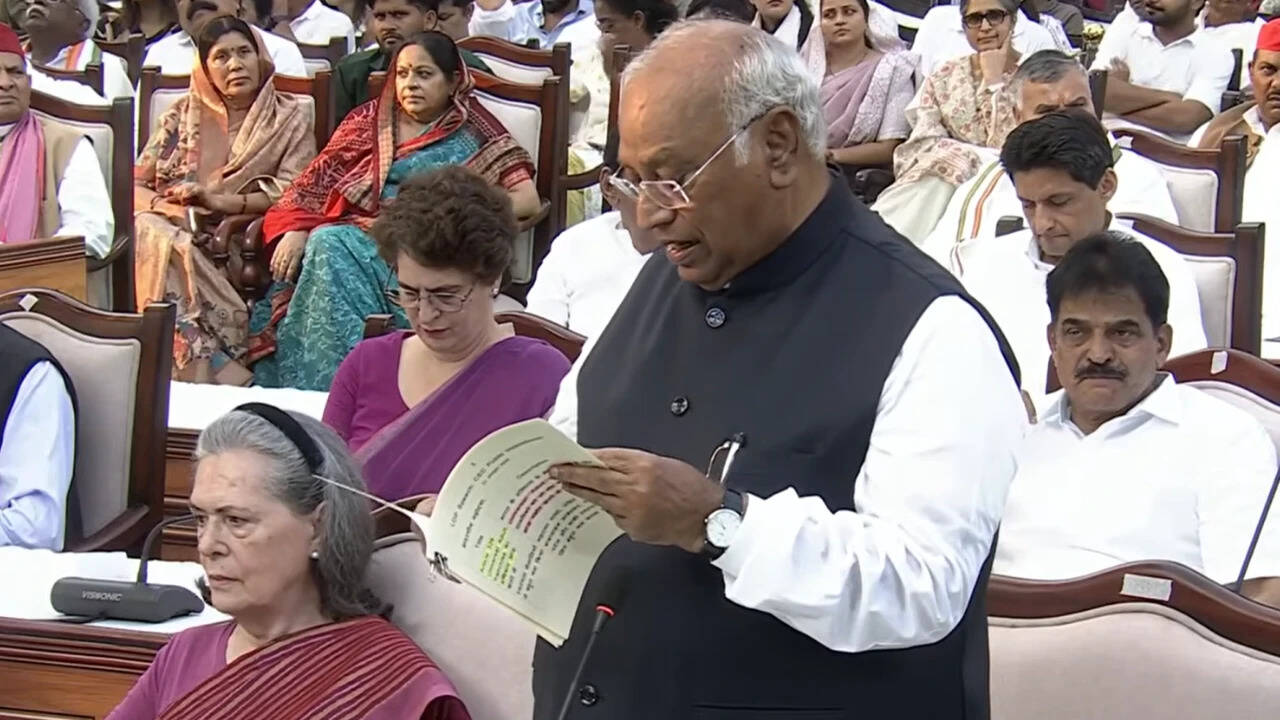
In an assertive political maneuver, senior opposition figurehead Mallikarjun Kharge formally tabled a mock removal motion targeting the Chief Election Commissioner (CEC) during a simulated parliamentary assembly. The high-profile exercise, designed to spotlight institutional accountability, took place amidst escalating debates surrounding the operational independence of India's democratic watchdog. By utilizing the framework of a mock legislature, the opposition sought to forcefully articulate concerns regarding executive influence over the autonomous commission responsible for safeguarding the nation's democratic mandates.
This symbolic censure arrives amid a prolonged national discourse concerning the selection mechanisms and constitutional safeguards governing election commissioners. Critics and opposition factions have repeatedly voiced apprehensions over perceived vulnerabilities in the current oversight framework, arguing that robust structural insulation is vital to preserve public faith in the electoral process. The mock parliament provided a formalistic stage to amplify these systemic grievances, casting a spotlight on the delicate balance of power between legislative oversight and independent constitutional bodies.
According to reports by the Times of India, the proceedings featured sharp commentary emphasizing that the primary objective of the motion is to compel the election apparatus to function with uncompromising impartiality. Stakeholders inside the simulated chamber debated the broader ramifications of executive appointments to key regulatory positions, asserting that true democratic resilience requires an election commission entirely free from partisan pressures. Government critics further highlighted that safeguarding the sanctity of the ballot box remains a non-negotiable pillar of the constitutional framework.
Looking ahead, this symbolic legislative challenge is anticipated to galvanize broader political dialogues concerning electoral reforms ahead of upcoming legislative sessions. While the mock motion carries no direct legal authority to unseat the incumbent CEC, it serves as a potent signaling device for opposition strategy, likely influencing upcoming parliamentary debates on institutional governance. Analysts suggest that pressure for statutory modifications regarding the appointment and removal of election commissioners will continue to mount across political platforms.