India Expands Facial Recognition Travel: International Digi Yatra Trials Set for Seven Major Airports
The Indian government has announced upcoming international trials for the Digi Yatra biometric boarding system across seven major airports later this year. This milestone initiative aims to streamline outbound travel for Indian passport holders ahead of a full commercial rollout slated for 2027.
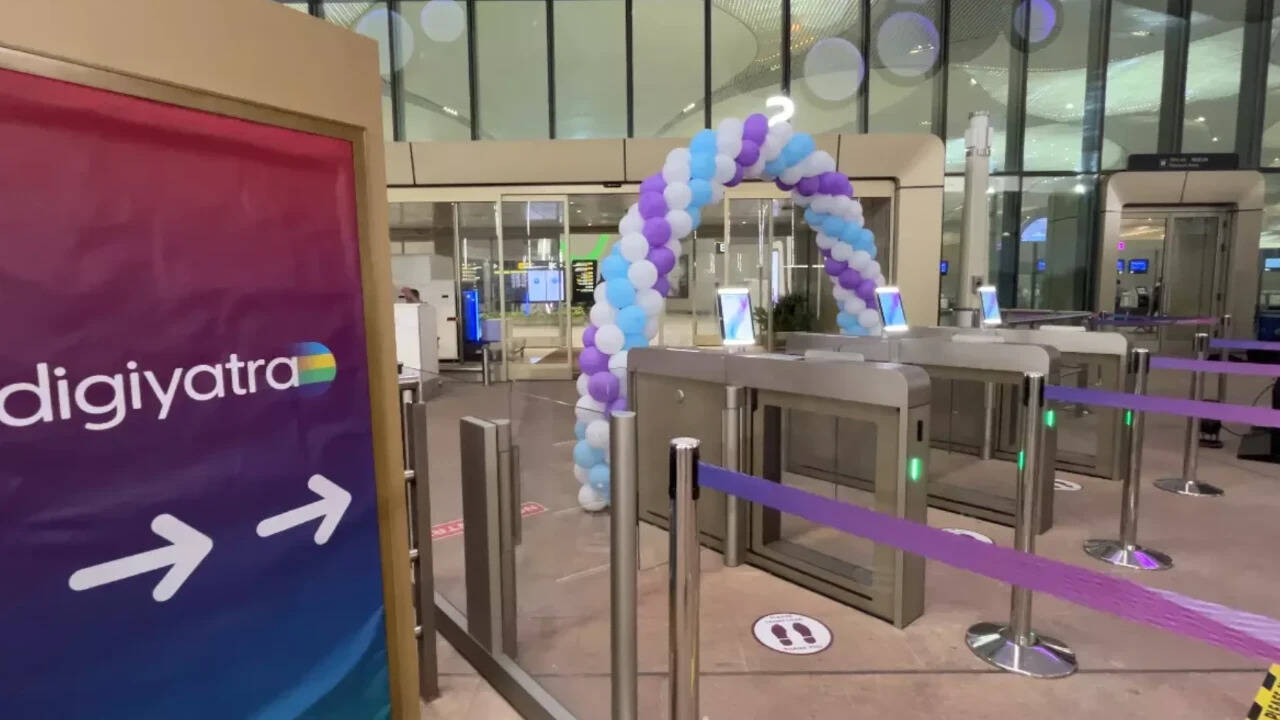
- International Digi Yatra trials will commence at seven major Indian airports within the year, exclusively for domestic citizens traveling abroad.
- The broader commercial rollout of the frictionless facial recognition platform is officially scheduled for 2027.
- The initiative builds upon the domestic success of Digi Yatra, which has already transformed checkpoint processing for millions of travelers nationwide.
NEW DELHI — The Indian government has announced that trials for international Digi Yatra services will kick off at seven major domestic airports later this year, marking a significant milestone in the nation's aviation technology roadmap. Exclusively tailored for Indian nationals, the upcoming pilot phase introduces contactless, facial recognition-based processing to international departures, paving the way for a comprehensive commercial deployment targeted for 2027.
Building upon the widespread success of the domestic Digi Yatra infrastructure—which has dramatically reduced wait times and congestion at security and boarding gates across the country—this cross-border expansion addresses the complexities of international travel compliance. By integrating secure digital identity verification with immigration and airline databases, authorities aim to establish a seamless, paperless corridor that eliminates traditional friction points for outbound flyers.
According to reports published by the Times of India, aviation authorities and technology stakeholders have been collaborating closely to ensure that global data privacy standards and security protocols are rigorously met during the upcoming trials. Official assessments indicate that the phased approach will allow system architects to iron out operational bottlenecks, verify biometric matching accuracies, and align with international civil aviation standards prior to the nationwide rollout.