Delhi Police Chief Tells Supreme Court Jantar Mantar Is Just a Thoroughfare, Defends State Authority Over Protest Venues
In a formal affidavit submitted to the Supreme Court, the Delhi Police Commissioner asserted that citizens hold no absolute right to demand specific locations for demonstrations. The top law enforcement official emphasized that Jantar Mantar functions primarily as a public roadway rather than a designated sanctuary for agitation.

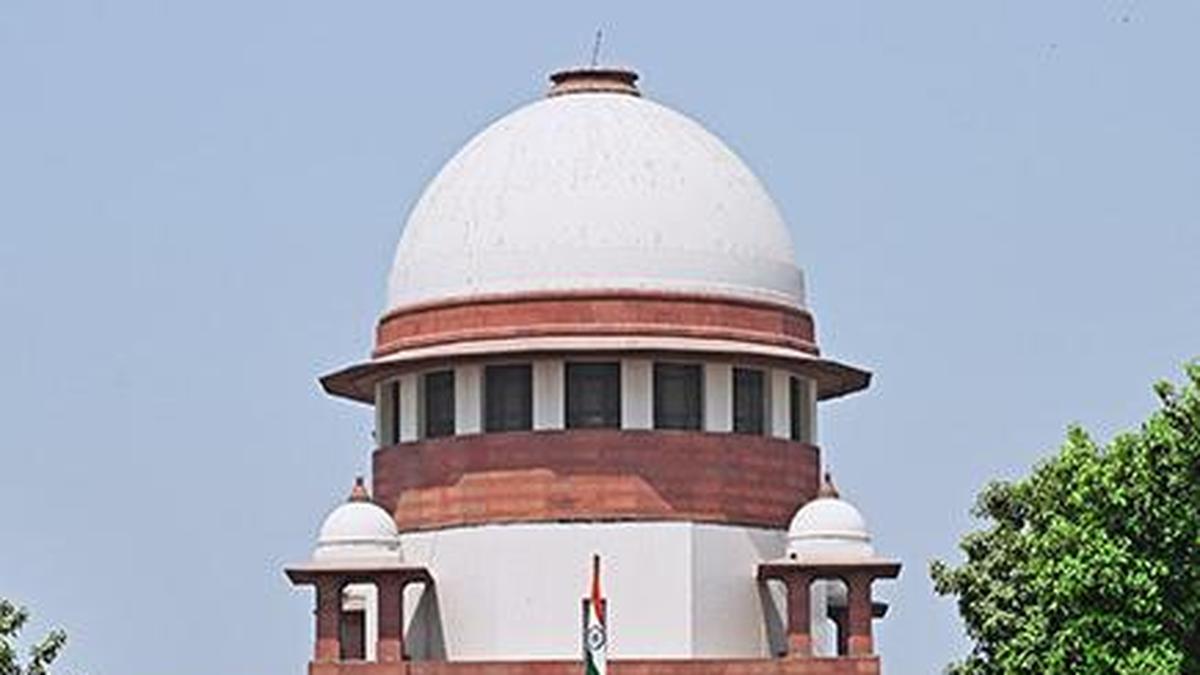
- Delhi Police Commissioner argues Jantar Mantar is a public road, not an immutable protest site.
- The affidavit submitted to the Supreme Court asserts the State's legal authority to relocate demonstrations.
- Authorities maintain that no individual or group can legally demand exclusive access to a specific demonstration venue.
NEW DELHI — In a decisive legal filing submitted to the Supreme Court, Delhi Police Commissioner underscored that the iconic Jantar Mantar corridor functions fundamentally as a public roadway rather than a guaranteed sanctuary for political demonstrations, asserting the administration's legal prerogative to regulate public assembly spaces.
The affidavit emerges amidst ongoing legal deliberations concerning the delicate balance between citizens' fundamental rights to free expression and the government's operational duty to maintain urban mobility and public order. For decades, Jantar Mantar has served as the epicenter for trade unions, civil rights activists, and political dissidents staging demonstrations in the national capital, making any alteration to its accessibility a highly sensitive national issue.
According to reports by The Hindu, the top law enforcement official maintained in the court filings that no entity can legitimately claim an inviolable entitlement to protest at a singular, preferred location, reinforcing the administration's discretionary power to shift designated assembly points in the interest of civic management.