Jharkhand High Court Voids State Decision to Scrap JSSC-CGL Exam, Reinstates Selected Candidates
The Jharkhand High Court has struck down the state administration's controversial ruling to invalidate the Combined Graduate Level examination held under advertisement number 10/2023. Additionally, the judiciary mandated that all previously chosen applicants be restored to their posts with unbroken continuity of service.

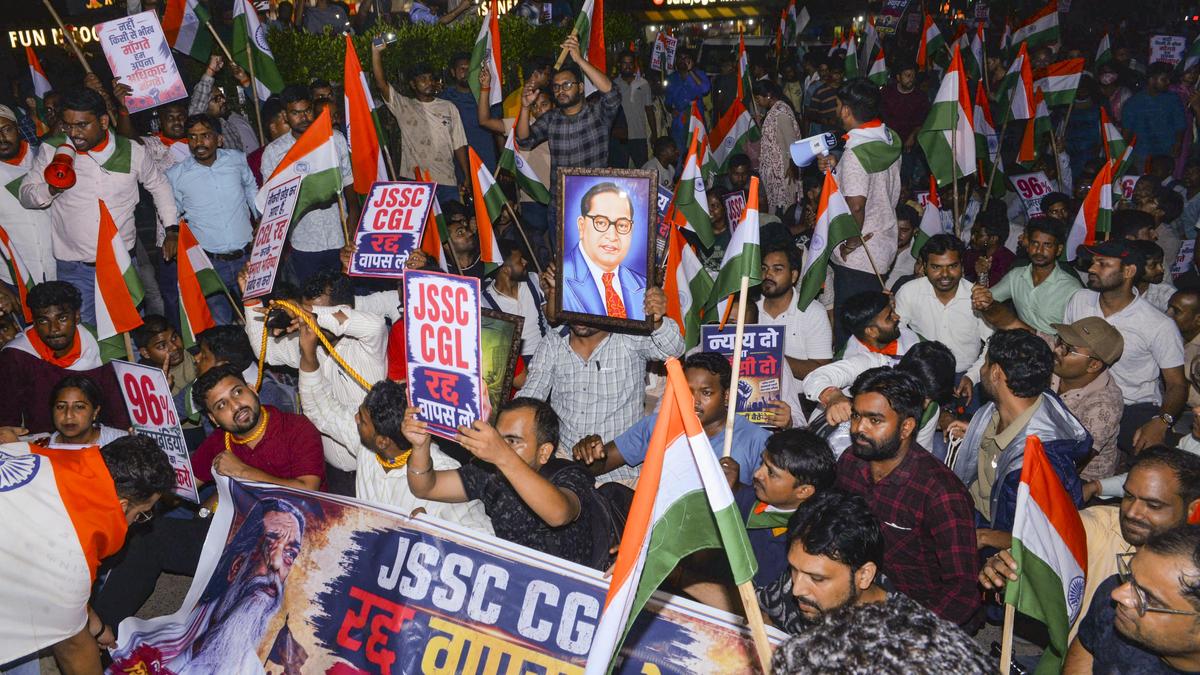
- The Jharkhand High Court nullified the state government's mandate to cancel the JSSC-CGL recruitment drive.
- Candidates selected via advertisement number 10/2023 are officially reinstated with uninterrupted service records.
- The legal intervention provides major relief to aspirants who faced uncertainty following the administrative cancellation.
RANCHI — In a decisive legal development, the Jharkhand High Court has formally overturned the state administration's choice to scrap the Jharkhand Staff Selection Commission Combined Graduate Level (JSSC-CGL) examination. Delivering its verdict, the bench invalidated the administrative order that had previously nullified the recruitment process tied to advertisement number 10/2023, restoring immediate legal validity to the competitive test.
This high-stakes judicial intervention centers on the fate of numerous aspirants who successfully cleared the rigorous screening process only to face sudden disqualification when the local government decided to discard the results. Recruitment cancellations in state-level public service exams often trigger widespread public outcry and political friction in the region, leaving successful candidates in professional limbo for extended periods.
According to detailed reports by The Hindu, the court's latest ruling addresses the grievances of these affected applicants directly, ensuring that their hard-earned employment status is legally protected. While official responses from state authorities are still unfolding, legal analysts note that the judgment underscores the judiciary's role in safeguarding administrative fairness and protecting candidates from arbitrary policy reversals.