Karnataka Prepares Legal and Political Resistance Against Maharashtra's Krishna-Bhima River Diversion Initiative
The Karnataka government is mounting a robust opposition against Maharashtra's contentious plan to divert waters from the Krishna and Bhima river basins. State authorities argue that this unilateral engineering endeavor threatens downstream agricultural security and violates established inter-state water sharing pacts.
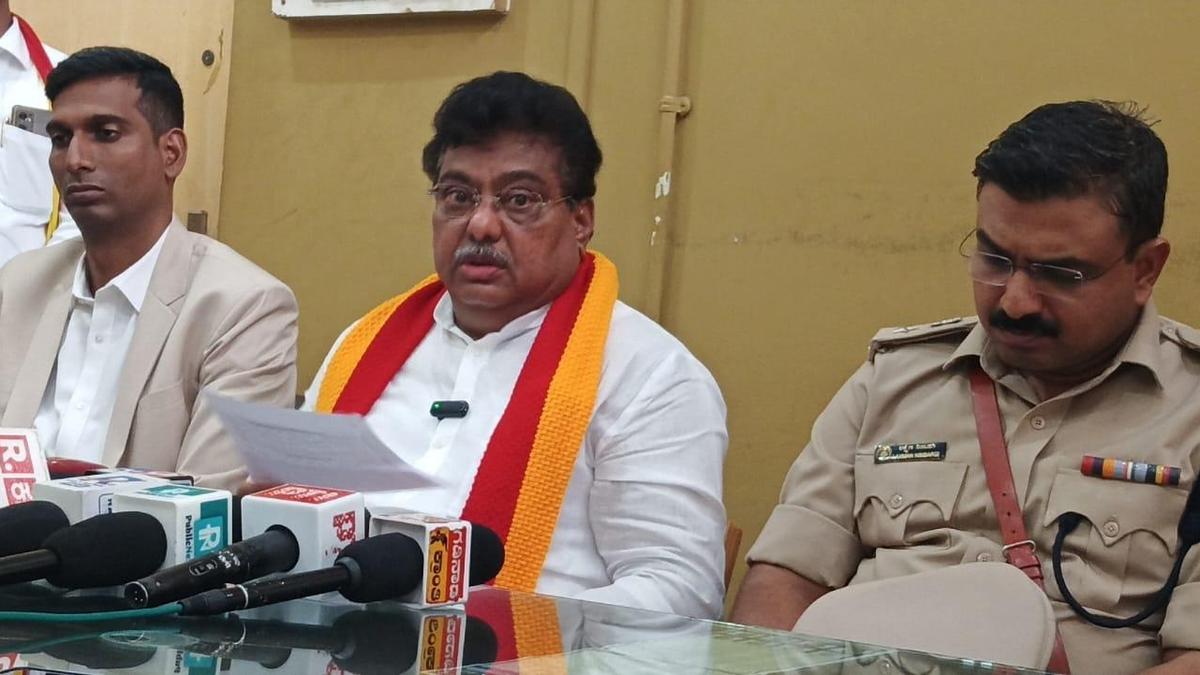
- Karnataka is formally challenging Maharashtra's proposed river diversion within the Krishna and Bhima basins.
- State officials emphasize that the unilateral project severely endangers regional farming communities dependent on downstream flows.
- Legal challenges and interstate council interventions are being weighed as primary countermeasures.
The administration in Karnataka has officially announced its strong resistance to a controversial river diversion blueprint advanced by neighboring Maharashtra involving the Krishna and Bhima river networks, setting the stage for a renewed interstate dispute over vital water resources. The administrative pushback emerged as state leaders reviewed the engineering scope of the project, which aims to reroute flows from the Krishna-Bhima basin.
This emerging conflict is deeply rooted in long-standing tensions over the allocation of peninsular river waters among riparian states. Historically, sharing formulas managed by tribunals have dictated the distribution of these basins to balance the agrarian and municipal needs of Maharashtra, Karnataka, and Andhra Pradesh, making any unilateral structural alterations highly contentious.
According to reports by The Hindu, senior state officials and legal advisors are meticulously evaluating the implications of the neighboring state's proposal, vowing to safeguard local farmers. Stakeholders from agrarian belts have expressed acute anxiety that reduced water levels would devastate upcoming harvest cycles and deplete crucial groundwater reserves.