Kedartal Avalanche Tragedy Deepens as Death Toll Rises to Four with Multiple Trekkers Missing
The death toll from a massive avalanche along the high-altitude Kedartal trekking route in Uttarakhand has climbed to four following the recovery of two sisters from Lucknow. Rescue teams continue comb operations in treacherous conditions as four more individuals from West Bengal remain unaccounted for.

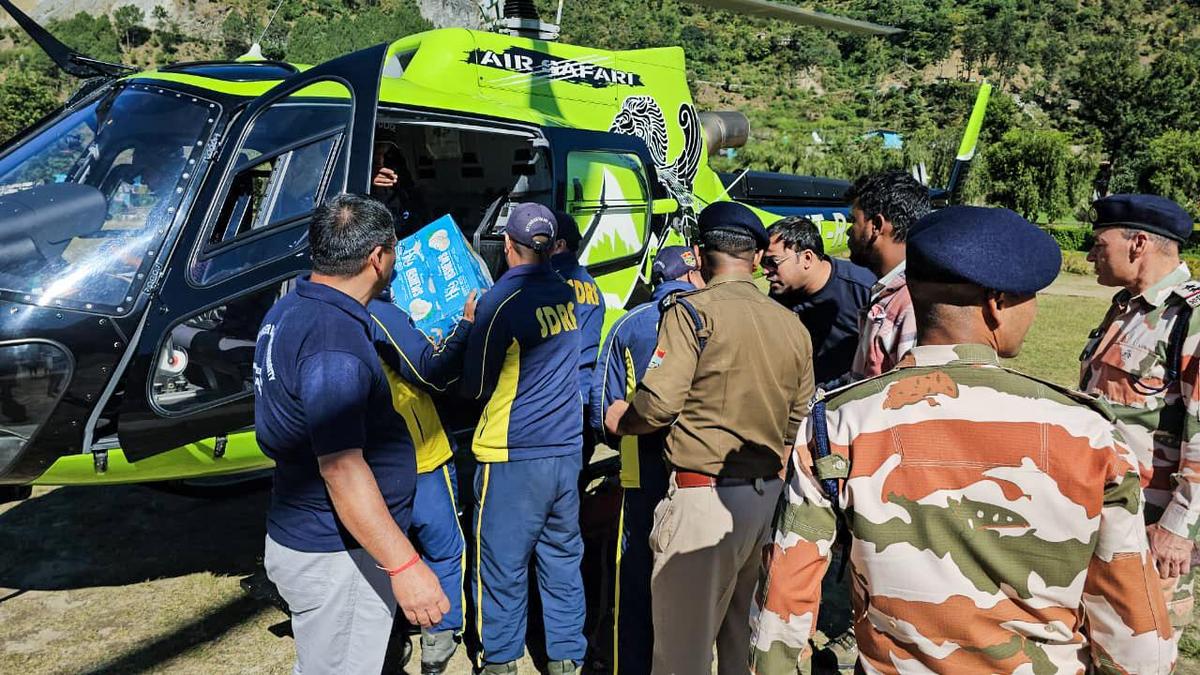
- The recovery of two sisters from Lucknow brings the confirmed death toll in the Kedartal avalanche to four.
- Search and rescue operations are ongoing for four additional trekkers from West Bengal who are still reported missing.
- The disaster highlights the escalating risks and unpredictability of high-altitude Himalayan mountaineering expeditions.
Rescue operations in the Garhwal Himalayas reached a grim milestone on Tuesday as teams recovered the bodies of two sisters from Lucknow who tragically lost their lives in a sudden avalanche along the formidable Kedartal trekking route in Uttarakhand. The latest discoveries elevate the official death toll of the disaster to four, underscoring the extreme dangers faced by adventurers navigating the region's frostbitten paths during volatile weather windows.
The Kedartal route, renowned among elite mountaineers for its breathtaking vistas and grueling terrain, has long been considered a high-risk expedition requiring meticulous planning and favorable meteorological conditions. As extreme weather patterns increasingly destabilize snowpacks across India's northern mountain ranges, high-altitude trekking routes have become increasingly perilous, turning leisure expeditions into life-threatening emergencies.
According to detailed accounts published by The Hindu, disaster response authorities have intensified their deployment in the treacherous alpine zone where four additional trekkers—all close friends hailing from West Bengal—remain missing. Local officials and specialized mountain rescue units are coordinating round-the-clock aerial and ground sweeps, though persistent snowfall and sub-zero temperatures continue to severely hamper progress.