Madras High Court Rejects K.N. Nehru Plea, Upholding Probe Order in Cash-for-Jobs Case
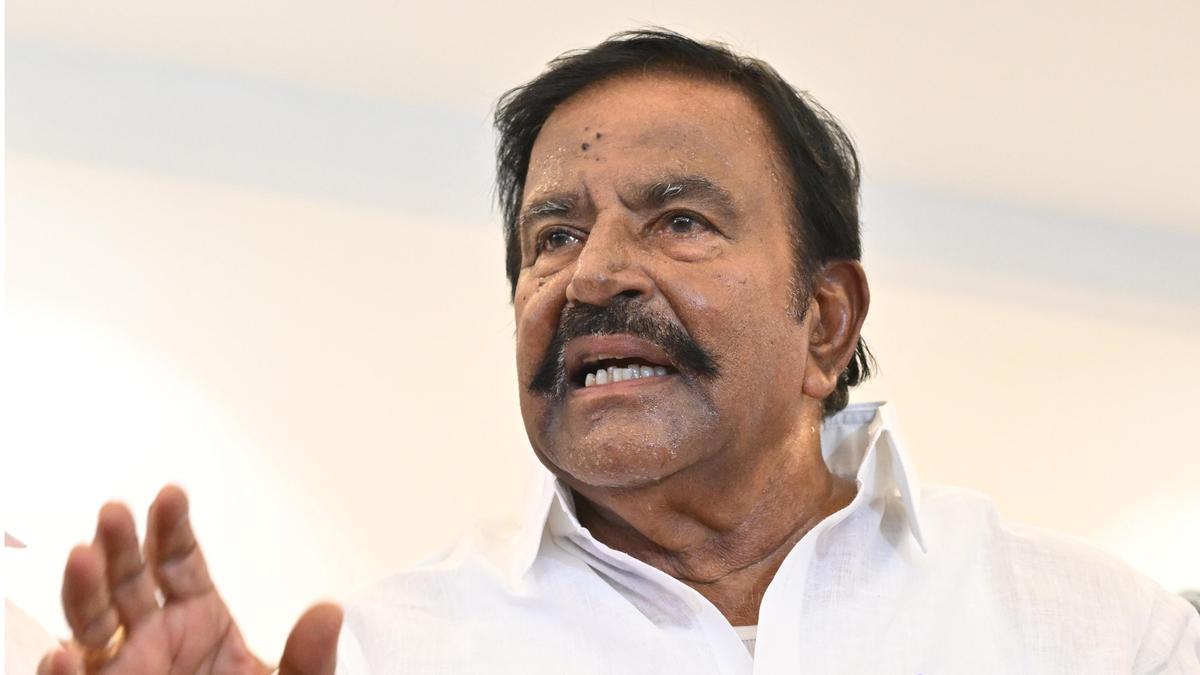
- •Madras High Court rejected the review plea filed by K.N. Nehru regarding the cash-for-jobs allegations.
- •The ruling upholds a February 20 order mandating the DVAC to register a First Information Report.
- •Judicial oversight emphasizes strict anti-corruption measures within public administration.
CHENNAI — In a decisive legal development for India's national political landscape, the Madras High Court on Tuesday dismissed a review petition filed by prominent leader K.N. Nehru, declining to alter its earlier mandate compelling the anti-corruption watchdog to initiate a formal criminal investigation. A bench comprising Chief Justice Sushrut Arvind Dharmadhikari and Justice G. Arul Murugan firmly refused to modify the court's February 20 directive, which had instructed the Directorate of Vigilance and Anti-Corruption (DVAC) to register an official First Information Report (FIR) into the long-standing cash-for-jobs allegations.
The high-stakes litigation stems from historical accusations alleging systemic financial irregularities and bribery linked to public employment recruitment processes during previous administrative tenures. The latest judicial stance underscores the judiciary's steadfast approach toward accountability in public office, ensuring that high-ranking political figures remain subject to rigorous legal scrutiny regardless of their administrative influence.
According to investigative reports by The Hindu, the court's refusal to entertain the review application signals a crucial milestone in a protracted legal battle that has drawn intense national media attention. Legal analysts note that the bench evaluated the foundational merits of the original petition before concluding that no grounds existed to justify a modification of the initial February directive.
With the review petition officially dismissed, the investigative apparatus is now expected to accelerate its procedural duties. The DVAC will formally register the FIR and advance its fact-finding mission, potentially leading to widespread political repercussions as the investigation unfolds across judicial and public spheres.