Lok Sabha Speaker Om Birla Holds Strategic Bilateral Talks With Cuba and Russia Ahead of BRICS Parliamentary Forum
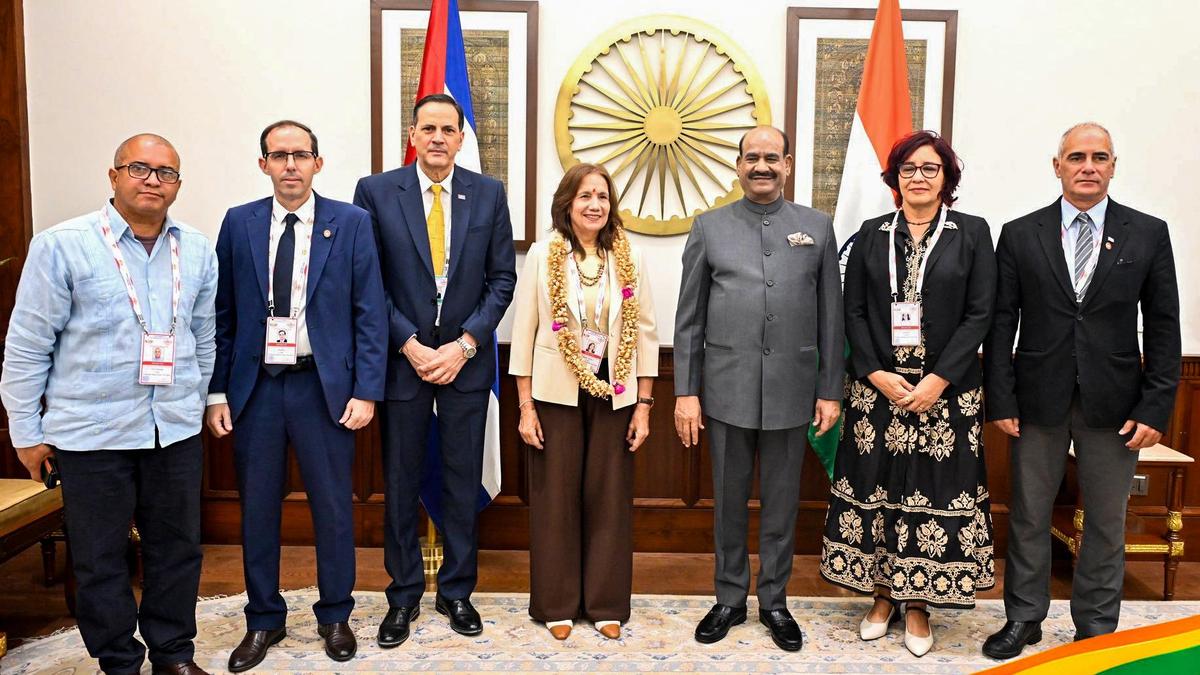
- •Lok Sabha Speaker Om Birla met with parliamentary leaders from Cuba and Russia ahead of the BRICS forum.
- •Havana is actively seeking India's backing for its upcoming United Nations General Assembly resolution against the long-standing U.S. economic embargo.
- •New Delhi and Moscow reaffirmed their enduring diplomatic partnership while preparing to celebrate eight decades of formal bilateral relations.
NEW DELHI — Lok Sabha Speaker Om Birla engaged in high-stakes diplomatic consultations with his counterparts from Cuba and Russia on the eve of the highly anticipated BRICS parliamentary forum meeting. The proactive engagements, held to solidify international legislative ties, positioned the Indian parliamentary leader at the center of critical multilateral discussions concerning global economic sovereignty and bilateral cooperation.
The diplomatic engagements carry profound geopolitical significance, particularly given the historical context shared among the nations. While India and Russia utilized the platform to evaluate ongoing legislative exchanges and map out celebrations for the monumental 80th anniversary of their formal diplomatic relations, the Cuban delegation leveraged the meeting to secure crucial international backing against persistent Western trade restrictions.
According to reports published by The Hindu, Havana's primary diplomatic objective during these preliminary discussions centers on garnering robust backing for its forthcoming United Nations General Assembly resolution. The measure specifically condemns the crippling, long-term economic blockade imposed by the United States, with Cuban officials urging international partners to amplify their support on the global stage.
Looking ahead, the outcomes of these bilateral conferences are expected to heavily influence the legislative alignment during the main BRICS parliamentary forum. As New Delhi continues to balance its traditional alliances with emerging multilateral priorities, these preliminary discussions lay the groundwork for strengthened parliamentary diplomacy and coordinated policy stances in upcoming international assemblies.