Madras High Court Allows DMDK Leader Vijaya Prabhakaran to Drop Election Challenge Against MP Manickam Tagore
The Madras High Court has granted permission for Desiya Murpokku Dravida Kazhagam (DMDK) figure Vijaya Prabhakaran to retract his electoral challenge against Congress parliamentarian Manickam Tagore. Justice N. Sathish Kumar ruled that zero evidence existed to imply any backroom deal motivated the withdrawal.

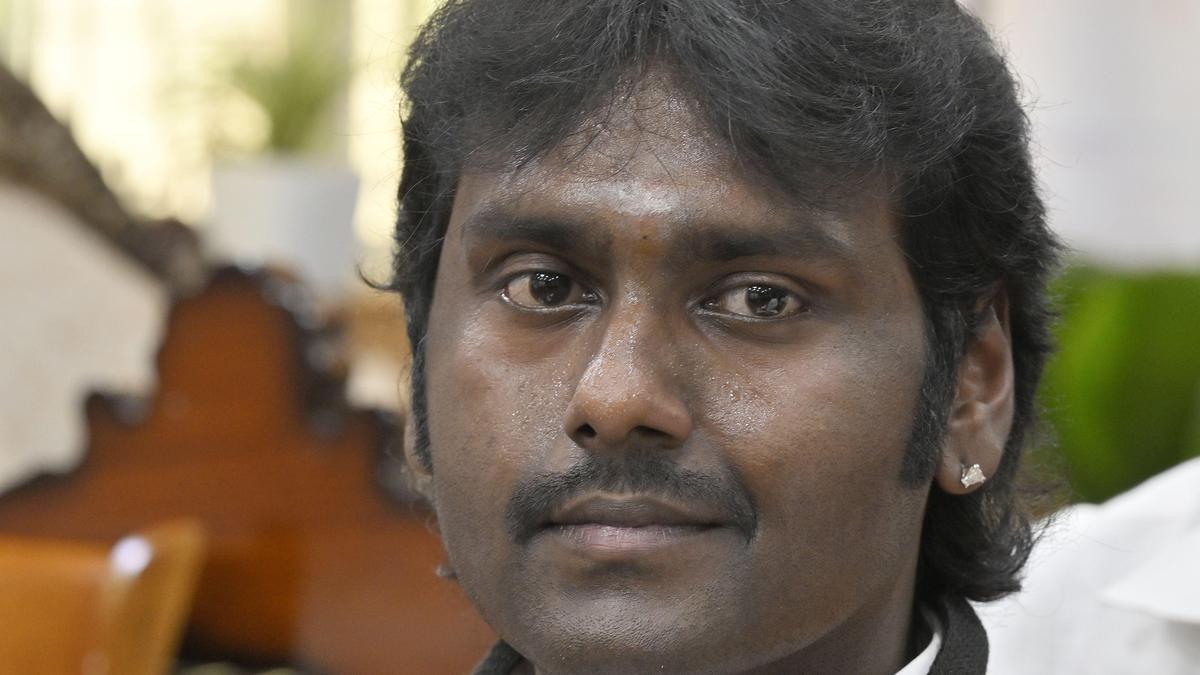
- DMDK's Vijaya Prabhakaran formally dropped his ongoing election petition targeting MP Manickam Tagore.
- Justice N. Sathish Kumar presided over the matter, finding no proof of improper settlements or bargains.
- The decision closes a significant legal chapter stemming from previous parliamentary electoral contests.
CHENNAI — The Madras High Court officially authorized Desiya Murpokku Dravida Kazhagam (DMDK) representative Vijaya Prabhakaran on Wednesday to discontinue his legal challenge contesting the election results of senior Congress leader Manickam Tagore. Justice N. Sathish Kumar delivered the ruling after determining that the court records contained absolute zero evidence to suspect any clandestine financial or political arrangement behind the petitioner's decision to walk away from the litigation.
This legal action originated from fierce contestations during the preceding general elections, where the electoral outcome in the specific constituency faced intense scrutiny from rival camps. Election petitions serve as vital accountability mechanisms in India's democratic framework, allowing defeated candidates to legally question the integrity of the voting process, verify electronic voting machine audits, and allege violations of the Representation of the People Act.
According to judicial observations highlighted in reports by The Hindu, the bench meticulously evaluated the procedural legitimacy of the withdrawal request before granting its final approval. Legal analysts note that courts routinely scrutinize voluntary dismissals of election petitions to ensure plaintiffs are not dropping legitimate challenges under suspicious circumstances, though the judiciary found no such anomalies in this specific instance.