Delhi Air Quality Hits 'Very Poor' 379 AQI as Winter Smog Intensifies, CPCB Issues Health Advisory
Delhi's air quality deteriorated to 'very poor' levels on Thursday, with the 24-hour average AQI hitting 379 by 9 a.m., according to Central Pollution Control Board data. The alarming rise underscores the capital's recurring winter pollution crisis and prompts immediate public health warnings.

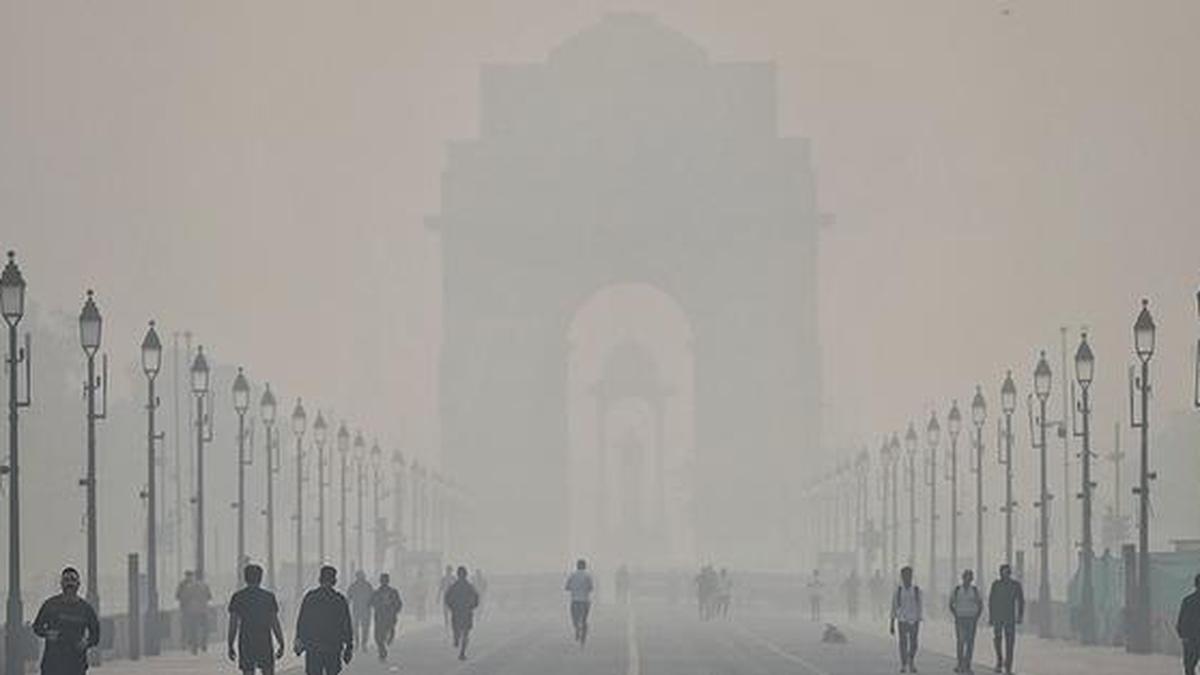
- Delhi's 24-hour average AQI reached 379, classified as 'very poor' and nearing the 'severe' threshold, posing serious health risks.
- The Central Pollution Control Board data marks the latest escalation in the capital's winter air quality crisis, driven by seasonal factors.
- Authorities issue health advisories as respiratory concerns spike across the metropolitan region, particularly among vulnerable groups.
Delhi's air quality plunged to 'very poor' levels on Thursday morning, with the 24-hour average Air Quality Index hitting 379 by 9 a.m., according to Central Pollution Control Board data. The reading, which sits at the upper end of the 'very poor' bracket and approaches the 'severe' threshold, signals a critical deterioration in the capital's ambient air conditions as winter sets in.
The latest CPCB data adds to a familiar seasonal pattern that has seen Delhi's AQI breach the 300-mark multiple times over the past decade, often peaking during October and November due to a combination of stubble burning, vehicular emissions, and unfavorable meteorological conditions. Environmental experts note that the city's air quality typically oscillates between 'poor' and 'very poor' during this period, with 2025 recording a similar trajectory that prompted emergency measures including construction bans and school closures.
'According to reports by The Hindu, the sharp rise in particulate matter has triggered immediate responses from health officials and municipal authorities,' said a CPCB statement cited by local news outlets. 'Residents, particularly children, the elderly, and those with pre-existing respiratory conditions, are advised to minimize outdoor exposure and use certified air purifiers indoors.' Medical associations have echoed the warning, emphasizing the compounding effect of pollution on seasonal viral infections.