Empowering Scientific Literacy: KSTA Chief Champions Education in Regional Languages
The head of the Karnataka Science and Technology Academy has underscored the critical role of native languages in making scientific concepts accessible to the general populace. Experts suggest that bridging the language gap in education could significantly accelerate technological adoption across the country.

- Regional languages are highlighted as vital tools for democratizing scientific knowledge and removing comprehension barriers.
- Experts emphasize that early science education in one's mother tongue fosters deeper critical thinking and innovation.
- Future policy frameworks may increasingly integrate multilingual approaches in technical curricula to reach grassroots communities.
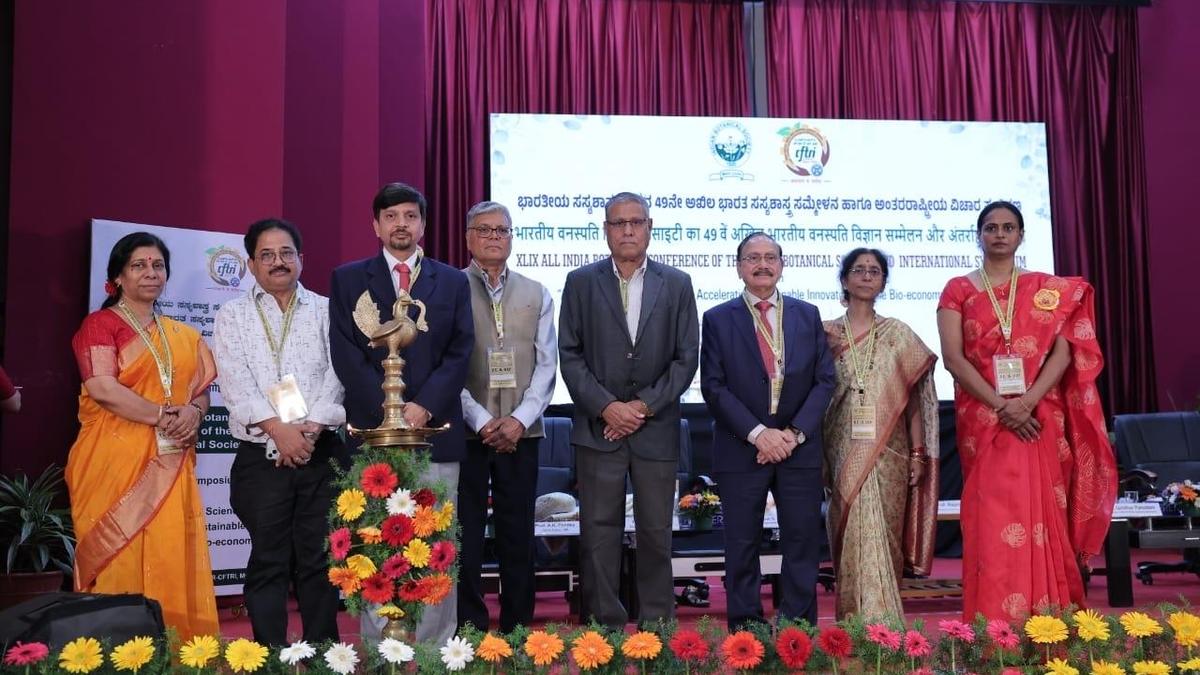
BENGALURU — Delivering a compelling address on educational inclusivity, the leadership of the Karnataka Science and Technology Academy (KSTA) asserted on Tuesday that instruction in native languages remains the most effective pathway for bringing complex scientific understanding to the broader public.
The emphasis on regional linguistic frameworks in technical fields addresses a long-standing debate within academic circles concerning accessibility versus global standardization. Historically, higher education and advanced research in the country have predominantly utilized English, which frequently creates a formidable barrier for students hailing from rural or vernacular academic backgrounds and limits grassroots participation in scientific advancement.
According to reports published by The Hindu, academic stakeholders and policy advocates have increasingly voiced support for translating foundational STEM materials into vernacular dialects. Proponents argue that thinking and learning in one's mother tongue not only enhances comprehension speed but also inspires localized grassroots innovation that directly addresses regional socio-economic challenges.