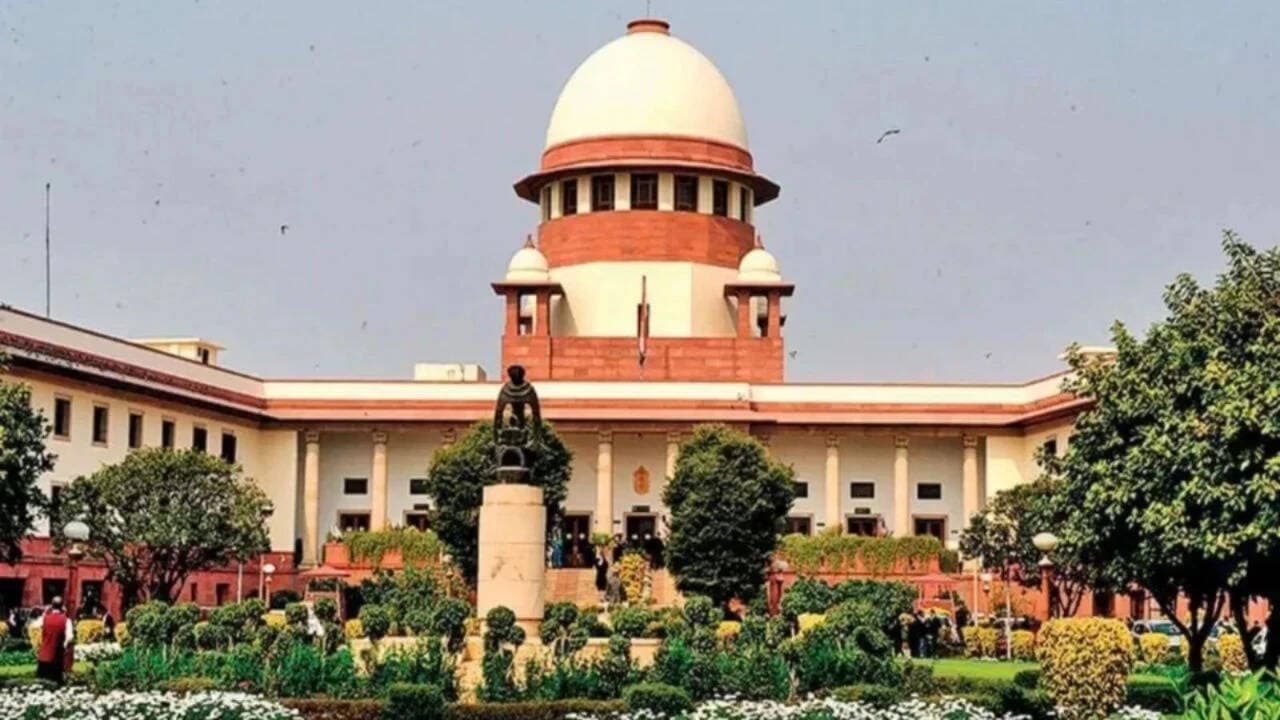
In a significant ruling strengthening voter empowerment, the Supreme Court of India declared that citizens do not need prior clearance from the Election Commission to file lawsuits against electoral candidates who provide false information in their nomination papers. The apex court's judgment establishes a direct legal pathway for ordinary voters to hold aspirants accountable for deceptive disclosures regarding their assets, educational qualifications, or criminal backgrounds.
This judicial clarification addresses a longstanding procedural bottleneck that previously complicated how citizens could challenge electoral malpractice. Historically, prospective litigants faced ambiguity regarding whether regulatory bodies needed to sanction private criminal complaints or civil suits concerning fraudulent nomination filings, often leaving election-related grievances trapped in bureaucratic inertia.
According to reports by the Times of India, the latest judicial interpretation clarifies that the statutory framework permits aggrieved electors to initiate legal action independently. Legal analysts and good-governance advocates have welcomed the decision, noting that it places a vital check directly in the hands of the public rather than exclusively relying on institutional oversight.
Looking ahead, this verdict is expected to trigger a surge in private litigation targeting misleading candidate affidavits during upcoming electoral cycles. Legal experts anticipate that the ruling will compel political aspirants to exercise greater diligence and honesty in their mandatory disclosures, ultimately fostering a more transparent democratic process across the nation.