NPCI Defends Merchant Discount Rate for UPI, Warns Supreme Court of System Collapse Without Funding
The National Payments Corporation of India has informed the Supreme Court that maintaining a zero-MDR policy is unsustainable for the long-term viability of the Unified Payments Interface. Regulators argue that introducing transaction charges is essential to secure the digital infrastructure against mounting systemic pressures.

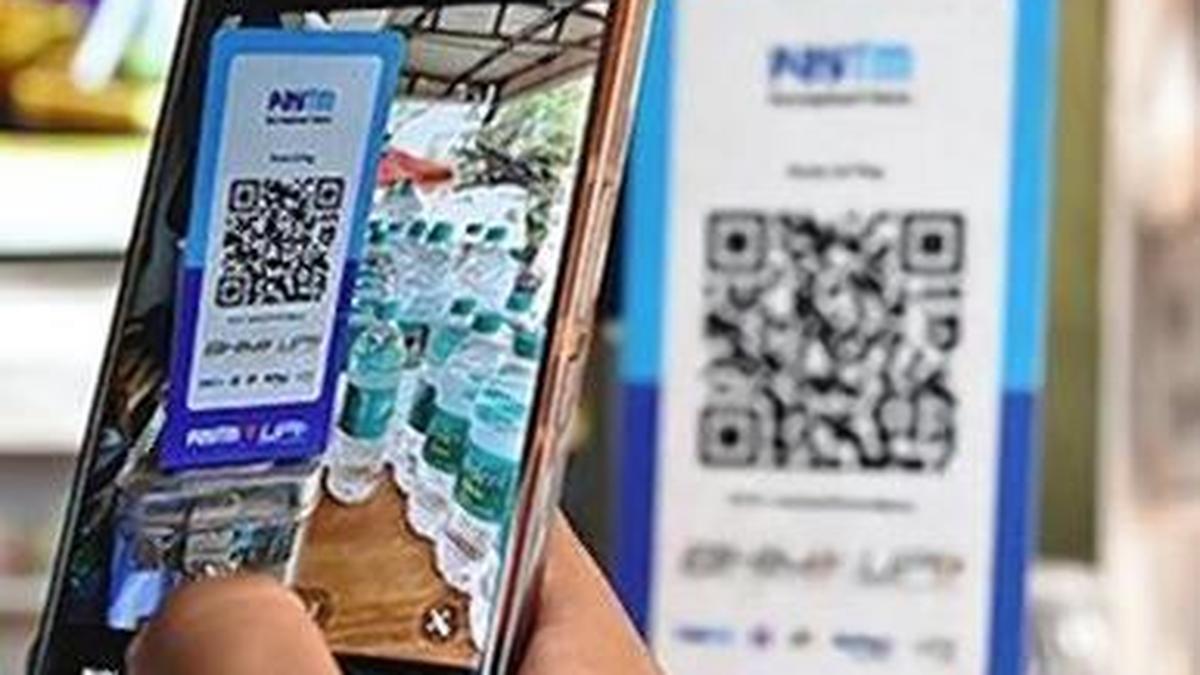
- NPCI tells the Supreme Court that zero-MDR threatens the structural integrity of India's UPI network.
- Exponential transaction growth has created unprecedented demands on national cybersecurity and digital infrastructure.
- Financial analysts warn that transitioning away from zero-MDR could reshape the digital payments landscape for merchants.
In a pivotal submission before the Supreme Court of India, the National Payments Corporation of India (NPCI) has asserted that the prevailing zero-Merchant Discount Rate (MDR) framework is no longer economically viable, warning that the digital payments network risks collapsing into an unsustainable, self-devouring loop if funding models remain unchanged.
For years, India's digital public infrastructure thrived on a zero-fee structure that propelled instantaneous person-to-merchant transactions to unprecedented heights. However, according to regulatory filings, the sheer volume of daily settlements now imposes staggering operational burdens, requiring heavy capital outlays to maintain institutional-grade security, prevent outages, and upgrade server capacities across the vast financial grid.
According to reports detailed by The Hindu, the umbrella organization overseeing retail payments stressed to the apex court that the current trajectory places unbearable strains on participating banks and payment service providers. Industry observers note that without revenue streams like MDR, intermediaries lack the commercial incentive to continuously invest in the cutting-edge technology necessary to safeguard millions of daily users from sophisticated cyber threats.