AIADMK Chief Palaniswami Sounds Alarm Over Slumping GST Revenue in Tamil Nadu
AIADMK general secretary Edappadi K. Palaniswami has raised serious concerns regarding a deceleration in Tamil Nadu's Goods and Services Tax revenue growth. The opposition leader's critique highlights potential fiscal strain and invites intense political debate over state economic management.

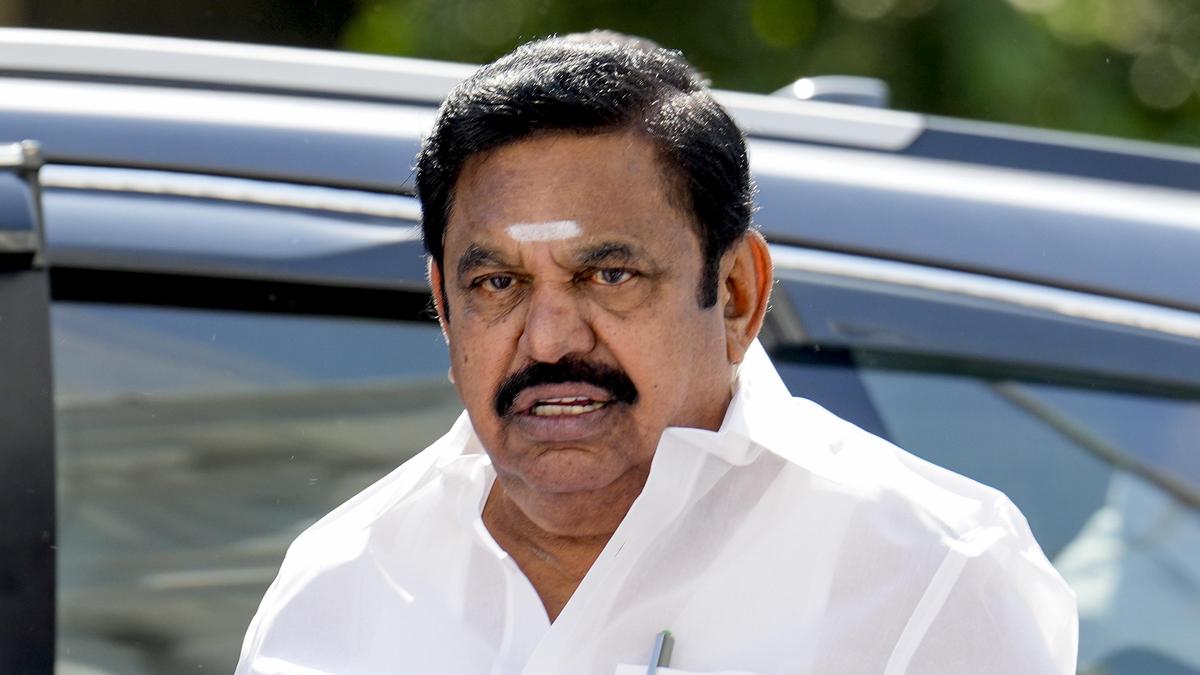
- AIADMK leader Edappadi K. Palaniswami publicly questioned the declining momentum of Tamil Nadu's GST collections.
- The critique highlights growing political friction regarding the state government's financial administration and revenue generation.
- Experts warn that decelerating indirect tax growth could constrain future developmental spending and fiscal autonomy.
CHENNAI — Edappadi K. Palaniswami, the general secretary of the AIADMK and former Chief Minister, formally expressed deep apprehension on Tuesday regarding a noticeable deceleration in the growth trajectory of Tamil Nadu's Goods and Services Tax (GST) receipts. Pointing to recent fiscal data, the senior opposition figure argued that the state's revenue mobilization is failing to keep pace with broader economic benchmarks, signaling potential vulnerabilities in the regional treasury.
The debate over indirect tax performance taps into an ongoing dialogue surrounding fiscal federalism and state-level economic stewardship in southern India. GST collections serve as a primary gauge of commercial health, consumer spending, and industrial output. Historically, Tamil Nadu has maintained a robust economic footprint, making any relative sluggishness in its tax intake a matter of significant economic scrutiny among financial analysts and policymakers alike.
According to detailed reports published by The Hindu, the opposition's critique underscores a growing narrative that the ruling administration needs to adopt more aggressive measures to plug revenue leakages and stimulate commercial activity. While government defenders typically point to broader national macroeconomic shifts and structural transition phases, political detractors maintain that localized policy missteps are primarily responsible for the subdued growth figures.