Prime Minister Modi Cites World Bank Data to Prove Poverty Eradication Is Delivering Real Results
Prime Minister Narendra Modi emphasized that his administration's poverty alleviation strategies extend far beyond empty political promises, pointing to recent World Bank findings as tangible proof. The assertion comes amid heightened political debate over economic equity and the effectiveness of grassroots welfare initiatives nationwide.
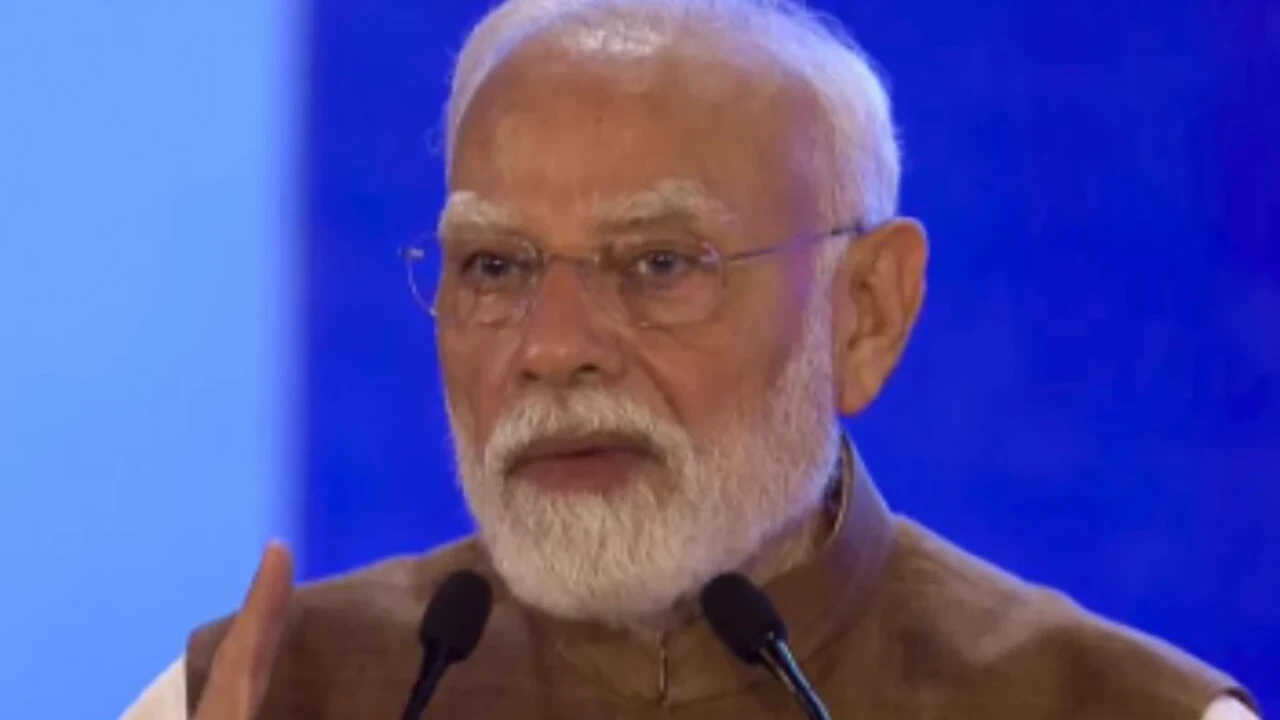
- PM Modi asserts that poverty eradication under his government has evolved from a mere political campaign slogan into concrete economic reality.
- The remarks are directly tied to recent analytical findings released by the World Bank regarding socio-economic shifts in the country.
- The administration continues to face ongoing scrutiny and debate surrounding the exact metrics and long-term sustainability of its welfare programs.
NEW DELHI — Prime Minister Narendra Modi declared on Tuesday that the elimination of poverty in the nation has transformed from a conventional political promise into a demonstrable reality, citing empirical metrics from recent World Bank assessments to validate his administration's socio-economic policies. Speaking on national development milestones, the Prime Minister emphasized that targeted financial inclusion, direct benefit transfers, and expansive welfare safety nets have successfully dismantled generational hardship for millions of citizens.
This latest commentary underscores a strategic push by the ruling leadership to frame current economic policies around measurable developmental outcomes rather than rhetorical aspirations. Over the past decade, successive governmental interventions have heavily targeted rural electrification, sanitation access, affordable housing, and digital banking, creating a complex infrastructure designed to elevate marginalized demographics out of extreme deprivation.
According to analysis and reports highlighted by the Times of India, official responses to the World Bank data reflect a broader narrative of inclusive growth championed by the central government. While administration defenders point to these international metrics as undeniable validation of targeted financial reforms, critics and opposition figures continue to debate the baseline methodologies, demanding deeper transparency regarding wealth distribution and persistent regional disparities.