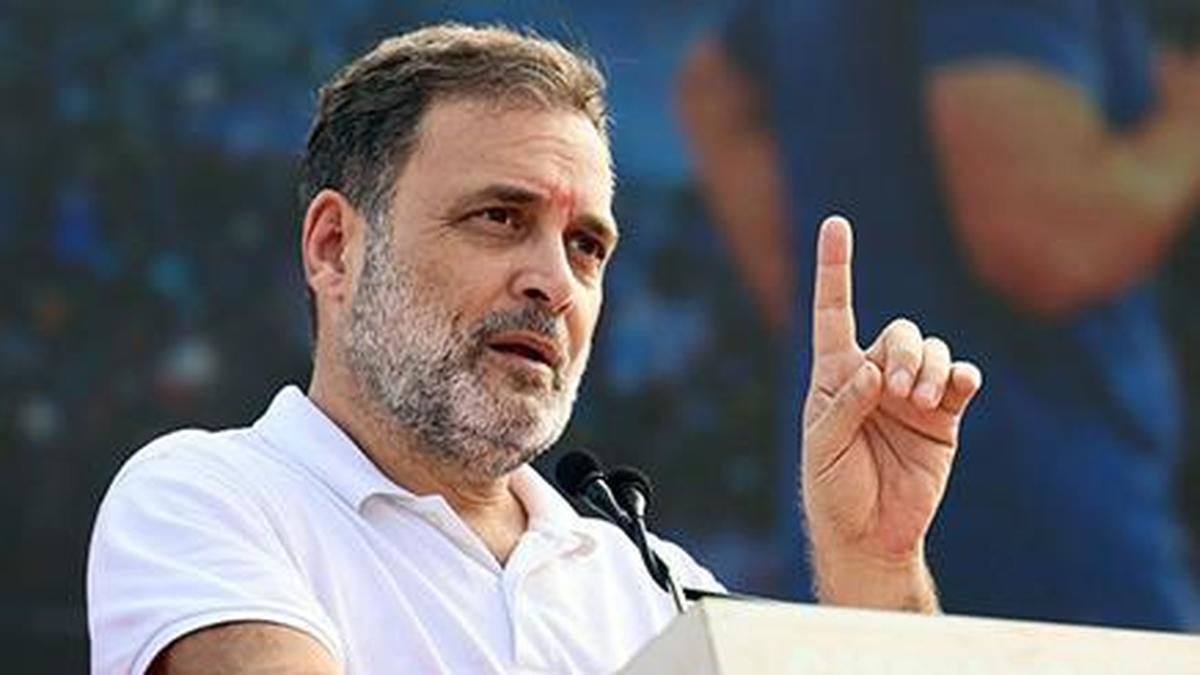
NEW DELHI — Senior Indian National Congress leader Rahul Gandhi sharply criticized the federal administration on Thursday, declaring that state-backed financial institutions are indispensable tools for national development rather than commercial assets meant for liquidation. His remarks come amid an intensifying political and economic firestorm surrounding the impending sale of IDBI Bank to the Canadian multinational holding company Fairfax, a transaction that has sparked widespread debate over the future of public sector banking in the country.
The controversy traces back to ongoing legislative scrutiny over the privatization of profitable state-owned lenders, a policy that critics argue undermines economic security and public trust. Historically, India's public sector banks have served as the backbone of rural credit, financial inclusion, and social welfare deployment. The decision to divest government stakes in established institutions like IDBI Bank has consistently drawn fierce resistance from labor unions, opposition lawmakers, and economic analysts who question the long-term implications of handing critical financial infrastructure over to private and foreign conglomerates.
According to investigative reports by The Hindu, Gandhi formally raised the issue within the Lok Sabha, pressing the executive branch to explain the economic rationale behind offloading a lucrative public lender and outlining what safeguards would be implemented to protect the interests of everyday depositors and bank employees. He asserted that the administration offered no substantive justification during parliamentary proceedings, choosing instead to move forward with the divestment framework despite mounting concerns from stakeholders regarding job security and public accountability.
As the transaction moves closer to finalization, the broader national implications threaten to become a major flashpoint between the ruling administration and the political opposition. Financial experts note that the outcome of the IDBI Bank sale could set a definitive precedent for future state asset divestments, forcing lawmakers to reevaluate the delicate balance between fiscal liberalization and the preservation of sovereign financial oversight in the world's most populous democracy.