Shrinking Civic Arenas Threaten Democratic Expression Across India, Warns Wire Chronicle Analysis
Recent clampdowns on peaceful demonstrations at historic locations like Jantar Mantar have sparked intense debates over the future of citizen engagement. Legal and political observers caution that limiting access to traditional protest zones systematically erodes constitutional freedoms.

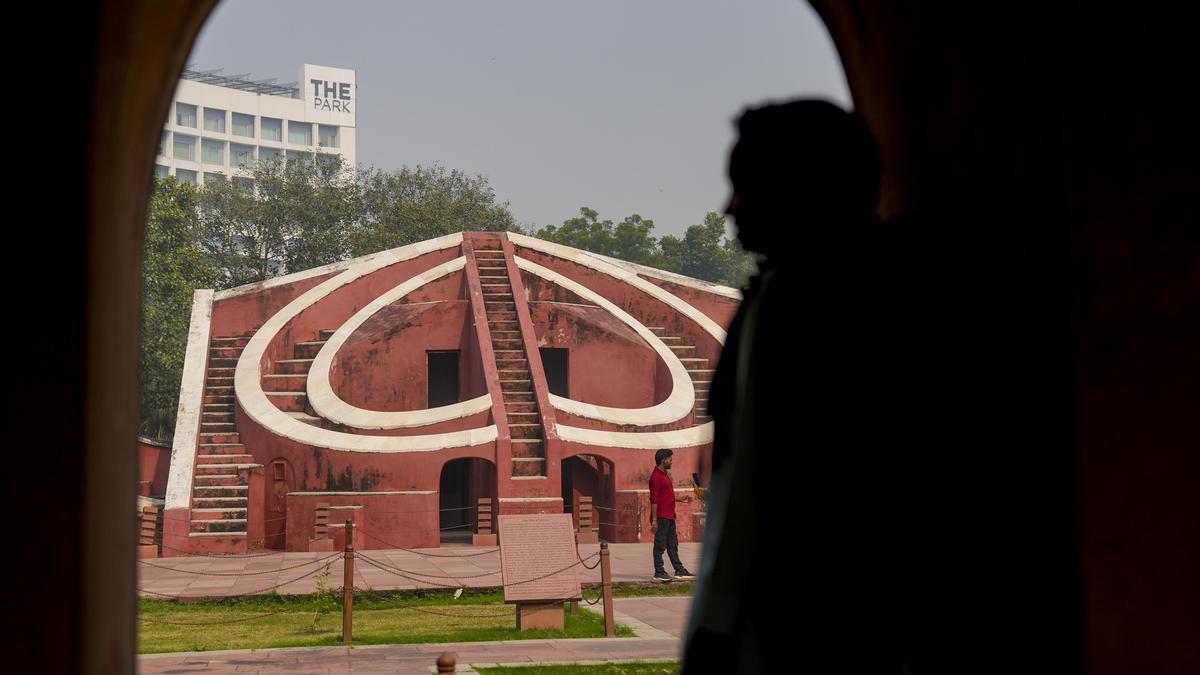
- Escalating prohibitions at historical protest hubs like Jantar Mantar challenge the foundation of participatory democracy.
- Civil liberties advocates argue that restricting physical gathering spaces directly impacts the public's right to dissent.
- Legal experts are calling for a balanced regulatory framework that preserves public safety without silencing civic voices.
NEW DELHI — Mounting restrictions on demonstrators attempting to gather at Jantar Mantar and other designated public squares have ignited a fierce national debate regarding the erosion of democratic citizenship and the right to peaceful assembly.
Historically serving as the heartbeat of Indian civic activism, these public corridors have long bridged the gap between marginalized populations and state policymakers. The recent implementation of stringent administrative hurdles and perimeter limitations represents a departure from the traditional tolerance of open-air dissent that has characterized the nation's political evolution.
According to reports published by The Hindu, constitutional scholars and civil rights organizations emphasize that curtailing physical access to focal points of demonstration weakens the fundamental compact between the governed and the government. Observers warn that administrative overreach under the guise of maintaining public order risks marginalizing legitimate grievances and silencing collective expression.