Supreme Court to Establish Landmark Precedent on Protesters' Right to Privacy in Public Spaces
India's apex court is set to deliberate on the constitutional boundaries of personal privacy for demonstrators occupying public grounds. This upcoming judicial review aims to balance individual liberties with public order and state infrastructure requirements.

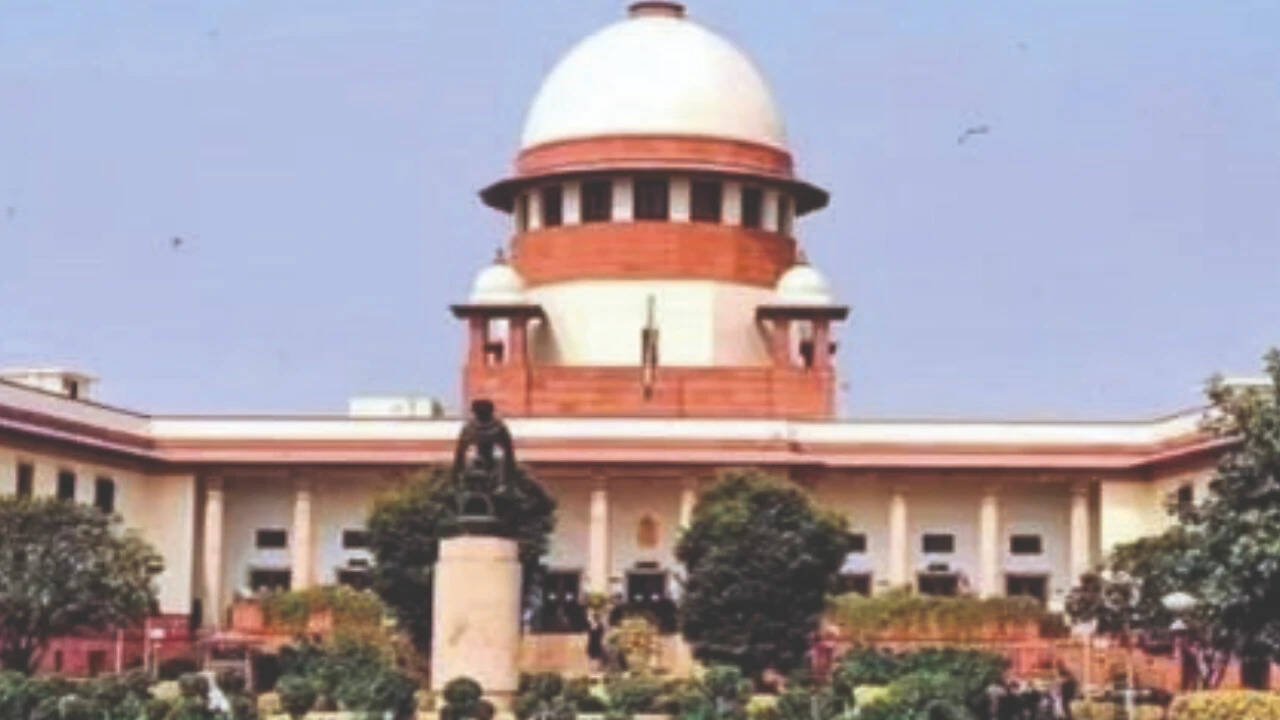
- The Supreme Court of India is formally examining the extent of privacy rights for citizens staging public demonstrations.
- The legal proceedings seek to reconcile fundamental freedom of expression with the management of public thoroughfares.
- The final verdict is anticipated to establish a critical national precedent regarding state surveillance and public assembly.
NEW DELHI — The Supreme Court of India has announced it will formulate definitive legal parameters regarding the right to privacy for individuals participating in demonstrations within public thoroughfares and spaces. This pivotal judicial intervention seeks to address the complex intersection between fundamental civic freedoms and the regulatory demands of maintaining public order.
Historically, public demonstrations have frequently triggered tensions between civic groups demanding accountability and municipal authorities tasked with ensuring unimpeded public transit and security. The necessity for a clear judicial doctrine has intensified in recent years, driven by widespread deployment of advanced surveillance technologies, facial recognition systems, and extensive police documentation during mass gatherings across the nation.
According to reports detailed by the Times of India, legal analysts and civil liberties advocates view this forthcoming examination as a watershed moment for constitutional jurisprudence. Representatives from various legal bodies emphasize that while the state holds a compelling interest in traffic management and national security, citizens retain an expectation of privacy even when exercising their right to dissent in open areas.