Supreme Court Halts Madras High Court Verdict Concerning Chidambaram Temple Management
The Supreme Court has intervened to temporarily halt a controversial Madras High Court ruling regarding the administration of the historic Chidambaram temple. This judicial pause highlights a fundamental debate over the legal boundaries of judicial oversight across diverse religious institutions in the country.

- The Supreme Court stayed the Madras High Court directive concerning the Chidambaram temple administration.
- The apex bench has raised critical questions regarding the application of parens patriae jurisdiction over non-public places of worship.
- Legal experts note the ruling will set a vital precedent for state intervention in religious site management nationwide.
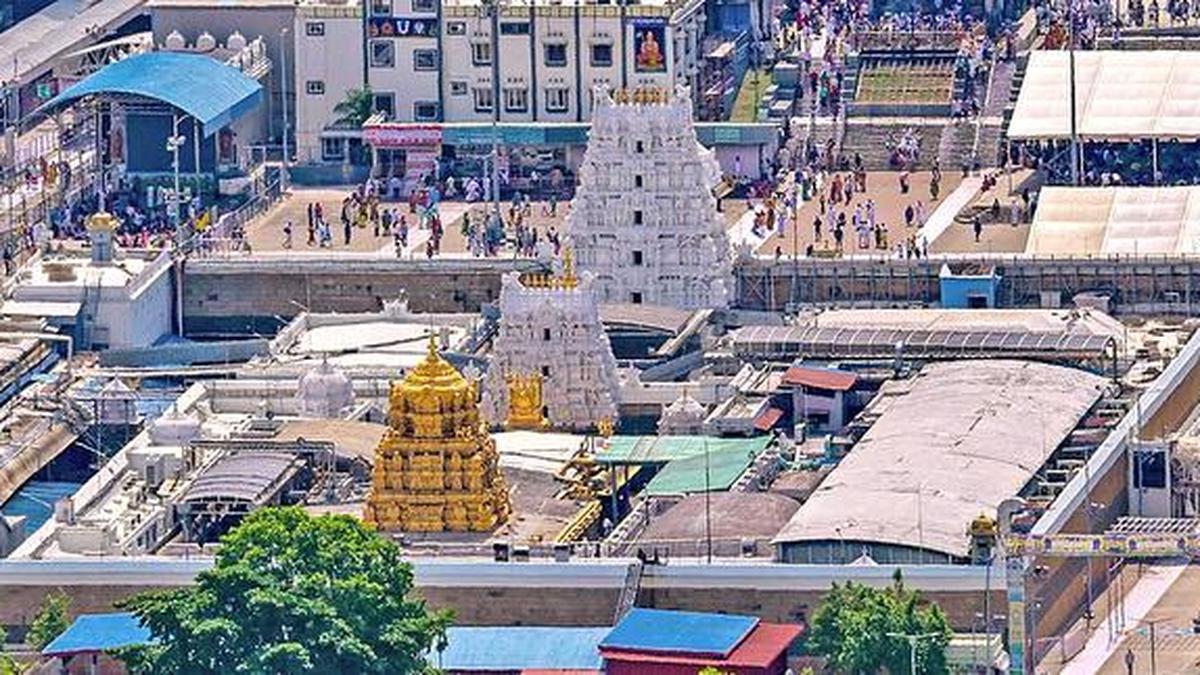
NEW DELHI — In a significant legal development impacting religious administration, the Supreme Court of India officially stayed a recent directive issued by the Madras High Court regarding the management and oversight of the famed Nataraja temple in Chidambaram. The apex court's intervention brings an immediate halt to the lower court's enforcement measures, providing temporary relief to the temple's traditional administrators while the highest judicial authority examines the underlying constitutional questions.
At the heart of the legal dispute is a complex debate concerning judicial reach and state intervention in sacred institutions. The central question raised by the Supreme Court bench challenges whether high courts possess parens patriae—the power of the state to protect those unable to care for themselves—exclusively over public temples, or if this doctrine extends broadly to places of worship belonging to other faiths and denominations. This inquiry strikes at the core of religious autonomy and secular governance principles within the Indian legal framework.