Supreme Court Identifies Mass Vehicular Traffic as Primary Driver of Delhi-NCR Smog Crisis
India's apex court has formally designated heavy vehicular movement as a principal catalyst behind the worsening air quality across the National Capital Region. The judicial observation underscores the urgent need for coordinated inter-state transit regulations to curb alarming pollution levels.

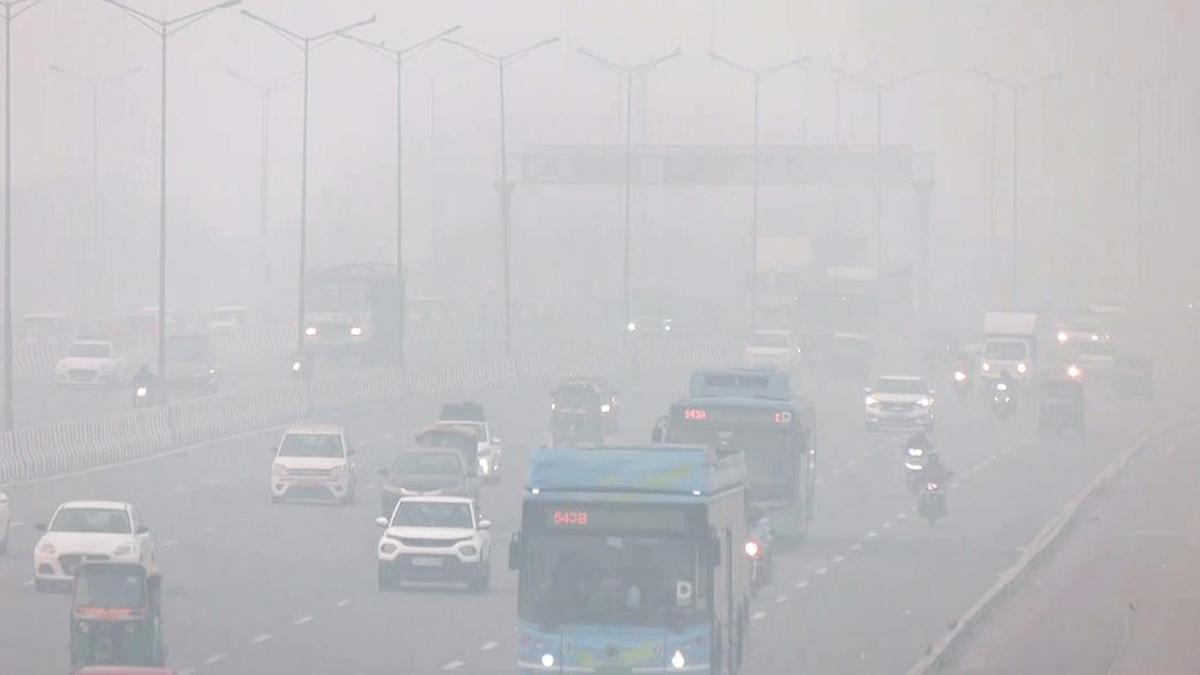
- The Supreme Court explicitly blamed surging vehicle numbers for the toxic air shrouding Delhi and its adjacent satellite cities.
- Judicial scrutiny specifically targeted high-volume interstate corridors linking the capital to Gurugram, Faridabad, Noida, and Ghaziabad.
- Experts anticipate stricter cross-border traffic controls and accelerated adoption of green transit fleets following the judicial remarks.
NEW DELHI — India's Supreme Court has formally identified massive vehicular congestion as a primary catalyst driving the severe air pollution crisis across the National Capital Region, pointing directly to the relentless stream of transport entering the metropolis daily. During recent proceedings, the judicial bench underscored that the sheer volume of automobiles commuting between Delhi and its surrounding satellite zones—including Ghaziabad, Greater Noida, Gurugram, and Faridabad—represents an unsustainable environmental burden.
This judicial intervention arrives against the backdrop of years of chronic smog emergencies that routinely paralyze northern India as winter approaches. Despite successive enforcement of emergency action plans, seasonal crop residue burning, and industrial restrictions, the persistent growth of private and commercial vehicular traffic has continually undermined clean-air initiatives. Urban planners have long warned that the rapid suburban expansion of the NCR without parallel mass transit upgrades has created an inescapable gridlock of emissions.