india
By Wire Chronicle Bureau•Saturday, October 31, 2026 at 07:24 AM2 min readVerified Wire Report
Telangana Unveils Comprehensive Framework to Revolutionize Rural Development and Scheme Integration
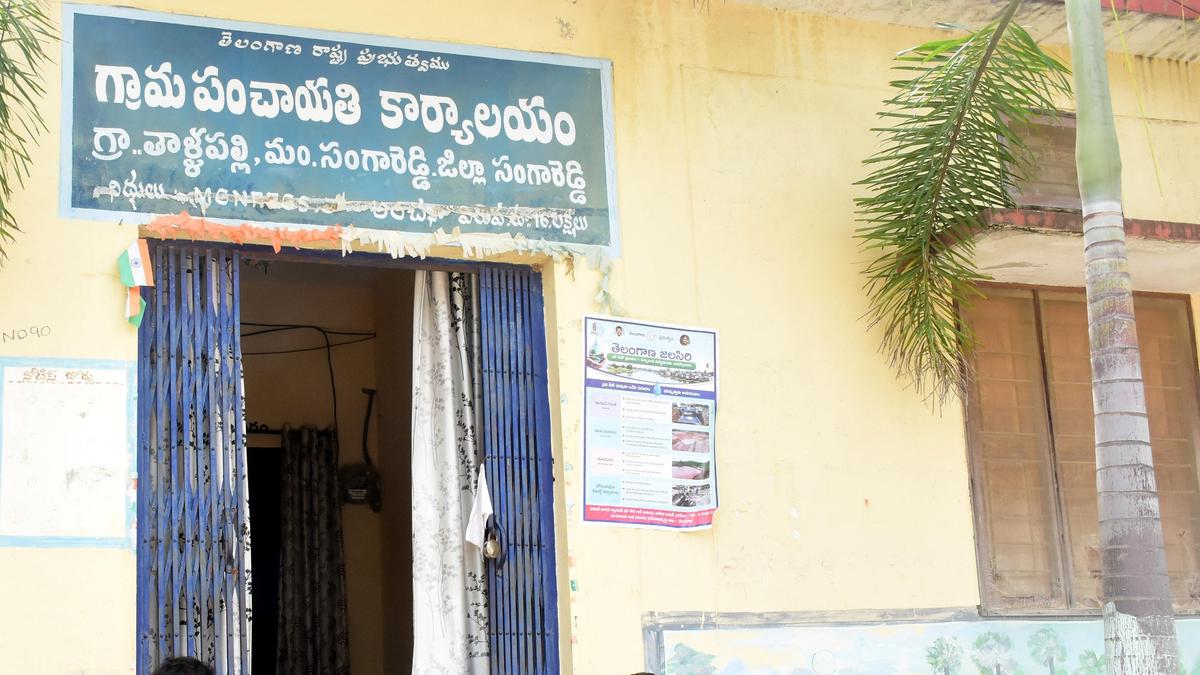
HYDERABAD — In a sweeping administrative overhaul aimed at transforming grassroots governance, the government of Telangana has officially established a unified village development planning framework. Announced this week, the newly minted regulations require local authorities to draft comprehensive three-to-five-year perspective blueprints, instituting a rigorous monthly tracking mechanism designed to bridge the gap between central funding and state-level execution.
Historically, rural infrastructure projects and welfare delivery across Indian states have suffered from fragmented planning, delayed fund utilization, and a lack of coordination between federal grants and regional execution bodies. This newly introduced framework attempts to rectify those systemic bottlenecks by creating a standardized operating procedure for village councils, ensuring that developmental projects are no longer implemented in isolation but are instead guided by long-term strategic forecasts.
According to investigative reporting by The Hindu, these structural reforms are intended to empower local administrators with clear guidelines, minimizing bureaucratic red tape and maximizing the tangible impact of public expenditures. State officials noted that bringing disparate rural initiatives under a single umbrella will eliminate overlapping projects and ensure that marginalized communities receive targeted developmental support without administrative friction.
Looking ahead, the success of this framework will depend heavily on grassroots compliance and the technical capacity of local bodies to draft and execute multi-year strategies effectively. If implemented successfully, Telangana's model could serve as a benchmark for other states seeking to modernize rural administration and optimize the deployment of national welfare resources in the years to come.