Andhra Pradesh School Chainsaw Attack Leaves Deep Psychological Scars Despite Swift Official Response
Weeks after a violent chainsaw incident shook a Zilla Parishad High School in Andhra Pradesh, local families remain deeply anxious regarding institutional safety. While local authorities reacted swiftly with arrests and counseling, restoring confidence among parents continues to be a formidable challenge.

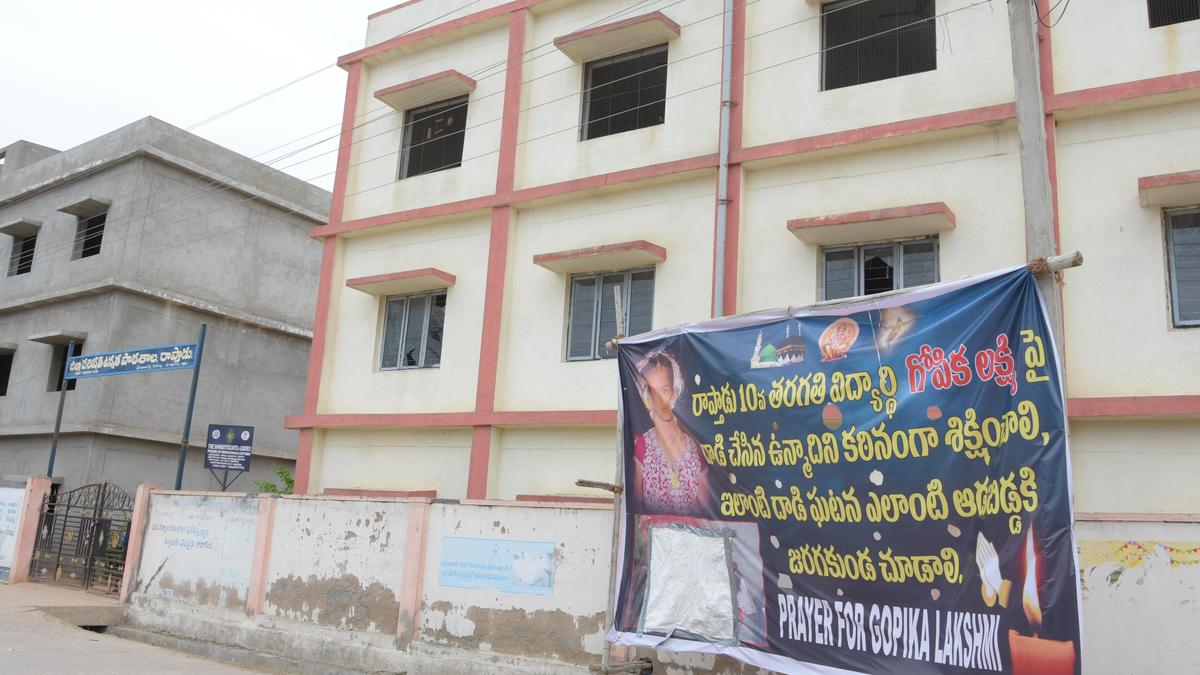
- Parental anxiety persists at the ZPHS campus following a violent chainsaw assault despite immediate law enforcement action.
- The Andhra Pradesh Education Department and local police deployed rapid counseling interventions to support traumatized students.
- Restoring institutional security and rebuilding community trust remains a critical priority for regional education administrators.
A profound sense of unease continues to grip families connected to the Zilla Parishad High School (ZPHS) in Andhra Pradesh, where the traumatic aftermath of a shocking chainsaw attack remains palpable long after the initial incident. The breach of campus security sent immediate shockwaves through the educational community, disrupting the normal learning environment and thrusting student safety into the national spotlight.
This alarming episode highlights critical vulnerabilities in rural and semi-urban educational infrastructure across the region, raising urgent questions about perimeter security and threat prevention inside academic institutions. Historically, such public schools have operated with open environments meant to foster community engagement, but this incident has forced a drastic re-evaluation of how student protection is managed on school grounds.
According to reports by The Hindu, proactive interventions were immediately launched by the state Education Department alongside local law enforcement agencies, resulting in the swift apprehension of the perpetrator and the deployment of professional trauma counseling for affected pupils. Officials have emphasized their commitment to stabilizing the psychological well-being of the student body through structured mental health support sessions.