Uttarakhand Helicopter Tragedy: Remains of All Six Crash Victims Recovered and Transported to AIIMS Rishikesh
Rescue teams in Uttarakhand have successfully retrieved and transferred the bodies of all six individuals killed in the recent helicopter crash to AIIMS Rishikesh for formal identification and autopsies. The fatal incident has reignited nationwide scrutiny over regional aviation safety and the rigorous demands placed on mountain corridor navigation.
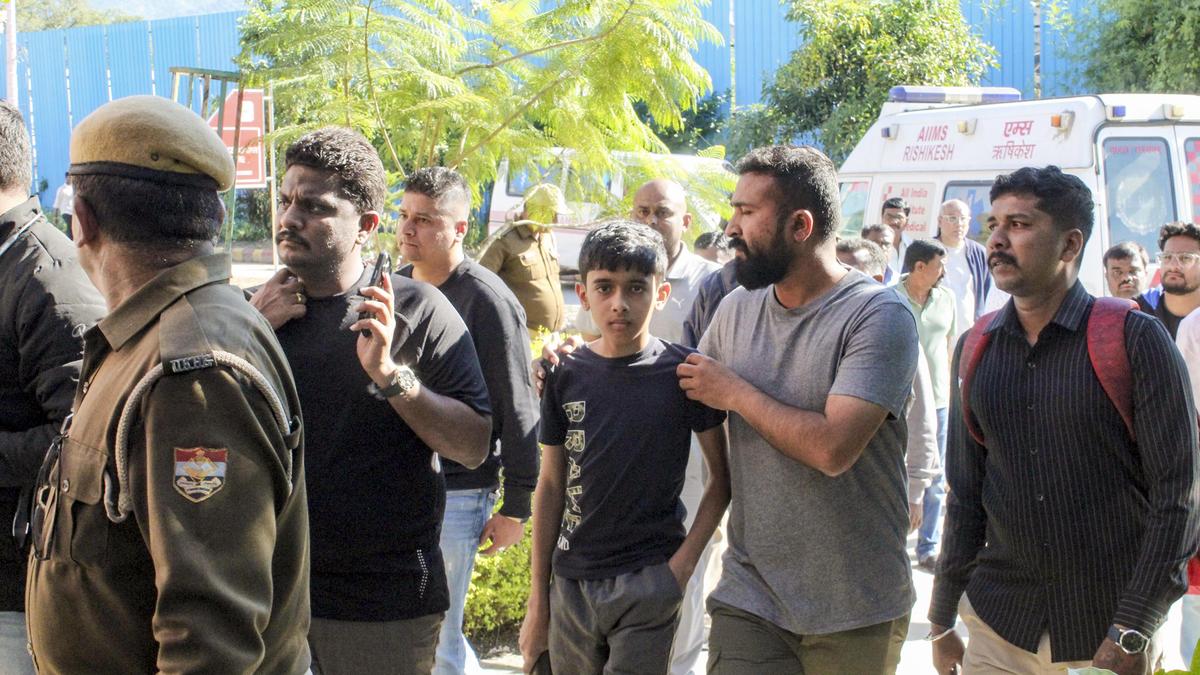
- Recovery operations concluded successfully with all six victims' remains transported to AIIMS Rishikesh by air.
- The disaster underscores the enduring logistical and environmental hazards associated with aerial transit across the Himalayan terrain.
- Investigations and forensic evaluations are currently underway to determine the precise sequence of events leading to the fatal crash.
Emergency responders in Uttarakhand have successfully recovered and airlifted the mortal remains of all six individuals who perished in the recent helicopter disaster, transporting the bodies directly to the All India Institute of Medical Sciences (AIIMS) in Rishikesh for mandatory forensic examinations and post-mortem procedures. Local administrative and disaster management authorities confirmed that the difficult extraction operation concluded following the fulfillment of all necessary legal and procedural formalities at the crash site.
The fatal incident highlights the persistent hazards tied to aviation logistics in India's northern mountainous territories, where unpredictable weather patterns, narrow flight corridors, and rugged topography continuously challenge pilots. Helicopters serve as an indispensable lifeline for tourism, pilgrimage circuits, and emergency evacuation in these remote elevations, yet the route's inherent geography leaves little margin for error during sudden atmospheric shifts or mechanical irregularities.
According to reports by The Hindu, regional officials and disaster response units mobilized swiftly upon receiving distress signals, executing a coordinated ground and air search operation despite challenging terrain to secure the area and recover the victims. Law enforcement and civil aviation investigators are closely monitoring the situation, coordinating with local authorities to piece together the final moments of the flight and establish the primary catalyst for the disaster.
In the aftermath of this tragedy, attention is expected to pivot toward enhanced safety protocols, stricter adherence to meteorological clearances for commercial operators, and a comprehensive review of high-altitude flight paths. As AIIMS Rishikesh begins the process of returning the deceased to their grieving families, federal and state transport regulators face mounting pressure to reinforce oversight and ensure rigorous maintenance standards across all regional charter services.
Reader Sentiment & Assessment
86 responsesHow do you evaluate this investigative report? Anonymous 1-click reaction.
Start Your Day With Verified Intelligence.
Essential national dispatches, market intelligence, and global investigations delivered directly to your inbox every morning at 7:00 AM. Zero fluff, 100% verified.