Voter Priorities Shift Toward Candidate Profiles Over Infrastructure in Vijayawada Local Elections
Recent local body elections in Vijayawada reveal a distinct trend where the personal reputation of candidates outweighs broader developmental agendas among the electorate. This shifting paradigm offers critical insights into changing political dynamics and grassroots voting behavior in the region.
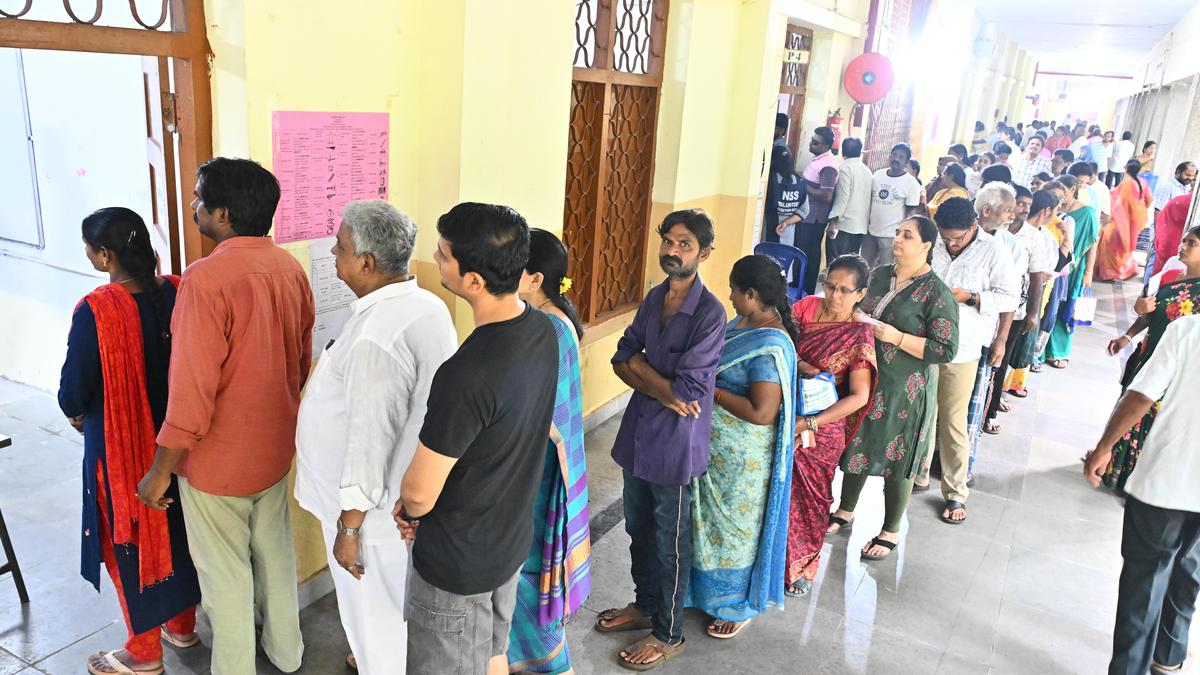
- Electorate behavior in Vijayawada's local polls heavily favors individual candidate traits over systemic infrastructure progress.
- Reports from regional correspondents indicate that personal approachability often eclipses overarching municipal policy promises.
- The emerging voting pattern signals a potential transformation in how local campaigns will strategize future outreach.
VIJAYAWADA — An analysis of the recent municipal elections in Vijayawada has uncovered a striking shift in voter sentiment, with the electorate increasingly casting ballots based on the personal attributes of individual contenders rather than broader developmental initiatives. Municipal analysts and local observers noted that throughout the voting cycle, factors such as personal accessibility, community engagement, and local reputation frequently superseded party manifestos and promises of infrastructure expansion.
This localized voting pattern highlights a recurring trend in urban civic polls, where residents often feel that immediate, personalized grievance redressal depends more on the disposition of their local representative than on macro-level government policies. Historically, municipal elections across various Indian urban centers have oscillated between ideological voting and administrative performance; however, Vijayawada's recent cycle emphasizes a deeply personal connection between the voter and the politician as the primary currency of electoral success.
According to comprehensive reports published by The Hindu, grassroots feedback gathered during the polling period demonstrated that citizens placed immense value on a candidate's readiness to address everyday neighborhood concerns. Political commentators suggest this preference stems from a growing disillusionment with long-term infrastructure pledges that fail to materialize rapidly at the ward level, prompting voters to opt for leaders who are readily reachable in times of localized crisis.