Cauvery Basin Governance Shift Proposed as CWMA Chief Advocates Centralized River Board
The leadership of the Cauvery Water Management Authority has formally proposed establishing an empowered river board to take over the ownership and regulation of all major reservoirs within the basin. This radical governance shift aims to resolve chronic inter-State water disputes, though historical precedents of similar intra-State bodies suggest significant implementation challenges ahead.

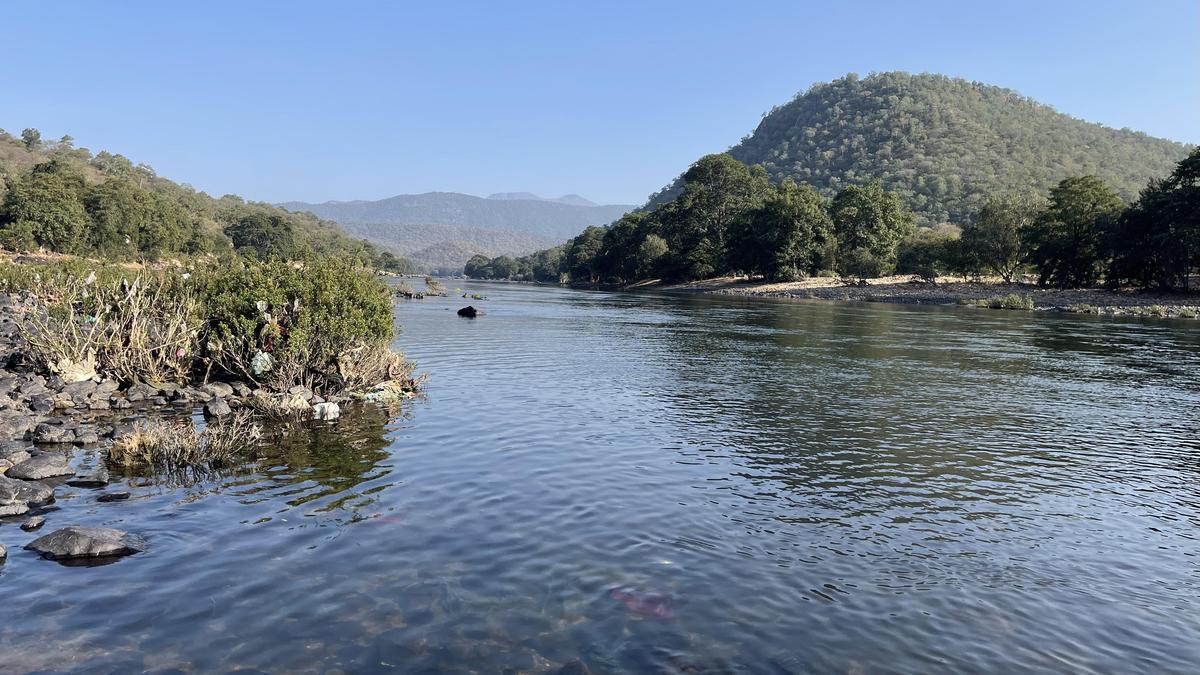
- The Cauvery Water Management Authority chief has urged the creation of a unified river board with absolute control over basin reservoirs.
- The proposed authority would possess full operational mandates to own, manage, and regulate water flows across the entire geographic basin.
- Past experiences with intra-State river boards in India indicate a mixed and frequently discouraging track record of operational success.
NEW DELHI — In a significant development for India's water resource management, the chairperson of the Cauvery Water Management Authority (CWMA) has formally advocated for the creation of an autonomous river board dedicated to owning, operating, managing, and regulating all major storage facilities throughout the Cauvery river basin. Announced during recent deliberations on regional resource allocation, the proposal marks a potential paradigm shift in how contested river systems are administered among riparian stakeholders.
This aggressive push for centralized oversight comes against the backdrop of decades-long legal, political, and social friction between southern riparian States—primarily Tamil Nadu and Karnataka—over sharing the Cauvery's finite waters. Historically, administrative control has remained fragmented, leaving allocation mechanisms vulnerable to shifting political climates and seasonal monsoon deficits, which frequently trigger intense agrarian and legislative standoffs.
According to reports and expert analyses highlighted by The Hindu, the concept of a unified basin-level authority faces deep-seated skepticism from regional administrators and policy analysts. Observers point out that the operational history of existing intra-State river boards has been far from encouraging, often plagued by bureaucratic friction, delayed infrastructure maintenance, and a persistent inability to satisfy competing sectoral demands during drought cycles.