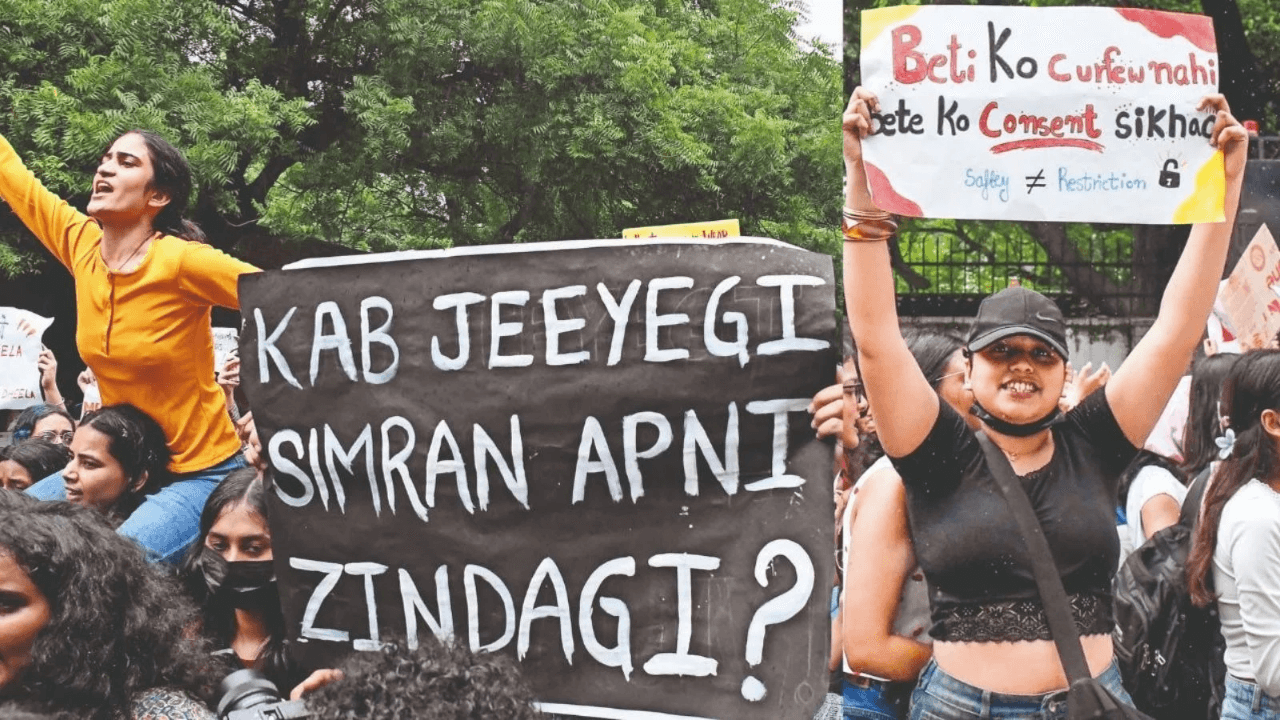
Sociologists and gender studies experts are examining a deeply entrenched paradox across Indian society: the phenomenon wherein certain women emerge as the most vocal protectors of traditional patriarchal structures. Recent discussions brought to light by prominent publications, including the Times of India, have focused on how systemic conditioning leads individuals to safeguard the very norms that historically marginalize them.
Historically, patriarchal systems have relied not solely on male enforcement, but on a cooperative network that spans across genders to maintain social order. Anthropologists note that older generations of women often pass down restrictive customs to younger cohorts, viewing these established practices as essential safeguards for family honor, cultural continuity, and social stability within conservative communities.
According to reports by the Times of India, behavioral experts emphasize that participating in patriarchal gatekeeping can sometimes offer women a localized sense of authority, security, or elevated status within domestic spheres. By successfully policing other women and enforcing compliance with traditional expectations, these individuals may secure a measure of institutional protection or familial validation in an otherwise male-dominated environment.
As national dialogues surrounding gender equality continue to evolve, experts suggest that dismantling deeply ingrained social frameworks requires addressing these internal dynamics. Future awareness initiatives and grassroots advocacy groups must focus on unpacking the psychological drivers of internalized misogyny to foster genuine, long-lasting reform in societal attitudes.