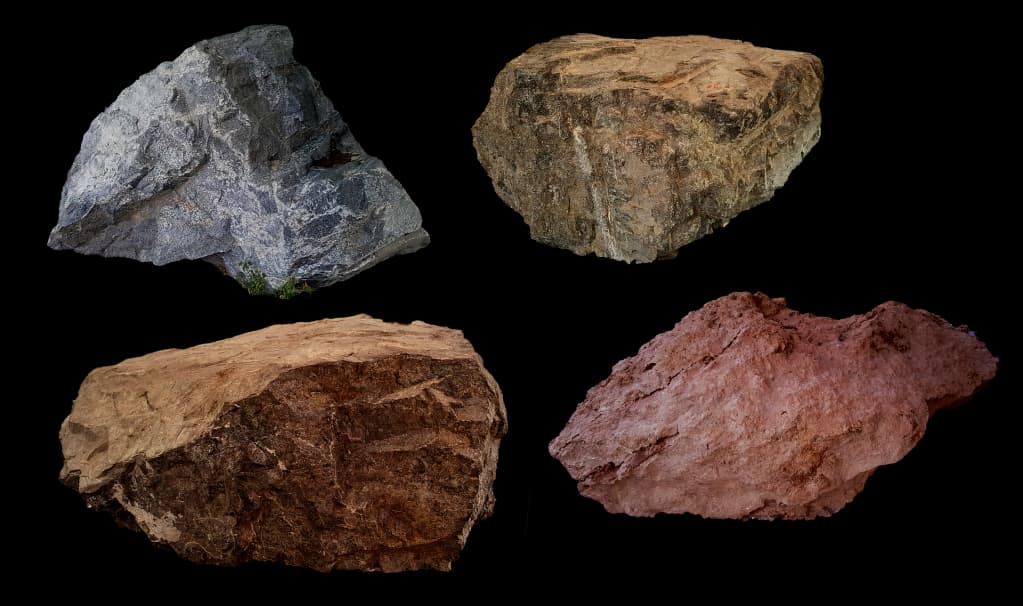
GUWAHATI — India's geographically isolated Northeast region stands on the precipice of a major economic paradigm shift, as policymakers evaluate whether sweeping trade discussions between New Delhi and the European Union can establish the frontier zone as a vibrant international transit corridor. Long characterized by economic marginalization, the eight-state territory is gaining renewed attention for its abundant natural assets, encompassing vital mineral deposits, specialized agrarian products, and a youthful labor force.
Historically hindered by difficult terrain and limited infrastructure, the region's fortunes are increasingly being re-evaluated through the lens of geopolitics. Encircled by international frontiers with Bangladesh, Myanmar, Bhutan, China, and Nepal, the territory functions as India's terrestrial bridge to Southeast Asia. Integrating this zone into broader multilateral commerce pacts represents a strategic effort to spur localized industrialization and correct historical economic disparities.
According to regional assessments and reports highlighted by EastMojo, economic analysts emphasize that unlocking this corridor requires more than just bilateral agreements; it demands targeted investments in cross-border connectivity and regional supply chains. Stakeholders argue that local agricultural cooperatives and mineral extraction industries must be modernized to meet stringent European standards if the region is to capitalize on prospective trade openings.
Looking ahead, the successful realization of an India-EU trade bridge hinges on the rapid acceleration of ongoing infrastructure projects under India's Act East policy. As regional authorities and federal planners align their development goals, the upcoming quarters will likely witness heightened diplomatic focus on transforming these remote borderlands into bustling hubs of international enterprise.